World Mental Health Awareness Week - Friday - Nurturing My Nature

My parents tell me as soon as I could walk, I would trot alongside my Dad through the bush down to the sandy dry Mzingwane River when we lived at West Nicholson in Matabeleland, Zimbabwe (then Southern Rhodesia). By the age of five I regularly went out with him on ‘Patrol’ into the wild and uninhabited lowveld bush around Triangle in Zimbabwe where we would sleep under the stars beside languid rivers within which the eyes of Crocodiles would be reflected back by torchlight, wake in the night with Hippo grazing around us, and get up in the dawn to watch the sun rise over the African bush from the high vantage point of a granite domed kopje (a low rocky hill, pronounced koppie). My early life memories are infused with many encounters with the wild, learning to walk silently on the balls of my feet, to sit for hours at a time without flinching, silent, eying the fringes of the bush for movement and the eventual reward of a wildlife sighting. How to follow animal spoor, interpreting their size and their intentions. How to simply ‘be’ in the wild, appreciating the fecundity of nature around me. Our family holidays were always camping trips to isolated parts of the country where we immersed ourselves in the wilderness, absorbing every nuance it had to offer.

Moving to Britain in my early teens, I continued to live a life where the open air and wide spaces were integral to my existence. Not one to follow a more usual teenage pathway, many of my weekends were spent camping on Bredon Hill in Worcestershire where sitting by a campfire was more fun than partying in friends houses. Later I would hitchhike to the Lake District whenever I had the chance to immerse myself in the fells and explore the mountain tops. My academic studies took second place to my passion for my involvement in the Duke of Edinburgh Gold Award and the school Combined Cadet Force. I volunteered as a Cotswold Country Park Warden building stiles and dry stone walls. I learned to fly gliders solo before I could drive and every weekend I would head out into the country to explore, history and nature being my passions.

It was no wonder then, I miserably failed my academic studies and my pathway into adulthood led me further into the world of outdoor activities and adventure. At the age of twenty one I became an instructor for Outward Bound and the rest as they say, is history. My life since then has been incredibly rich where I have been privileged to have shared so many wonderful moments of sheer outdoor joy with friends, colleagues and course participants and clients. I have worked in Wales, the Lake District, Lesotho, South Africa, Zimbabwe and Scotland, all the while facilitating personal development awareness for a huge range of people, young and adult. All these experiences have imbued a richness in my life which to be truthful, I find difficult to quantify. Suffice to say, I am truly grateful for the thousands of opportunities I have faced.

Now at the moment, my life is governed by my recovery from severe depression. As best I am able, I continue to live a life of wild outdoor connection where I take myself sea kayaking along the incredible Scottish coastline and set myself reasonable personal challenges. I love nothing more than spending nights out under canvas, somewhere silent and empty of humans. Key to my recovery process is nurturing my natural draw to nature and a need for personal adventure. Without access to this, I very much doubt I would have sufficient meaning within my life to inspire me to keep up the fight.

Outwith the moments of insight in the depths of my depression, my most powerful personal life lessons have occurred during my adventures. There are innumerable moments when my experiences in the wild have proved to be potent metaphors for my life and ones I continue to draw on time and again. In the moments when I’m in the desperate grip of a depressive episode, it’s these metaphorical insights which help me maintain a semblance of self-identity. For example, when asked who I am and what I do, I say my name and that I’m a sea kayaker. I do not qualify this but within myself I know I am a person who is an adventurer with a deep connection to the wild and natural realms. My adventuring spirit does not pit me against nature, but immerses me within it so I come up against myself. It is within this process I learn the most about who I am and my life. In tomorrow’s blog I will explain this in greater detail.

Nurturing my natural connection to nature is fundamental for my existence. I believe this to be true for millions of people too and there is nothing extraordinary in claiming this truth for myself. However, it’s not until recently I have fully embodied this awareness and to some extent, given myself permission to accept its validity. I think I continued to hold onto the notion of fitting myself into societal norms and certainly undertaking a more cautionary medically influenced approach to my recovery from depression. I am not out of the woods by a long stretch, but my understanding of my recovery and the importance of my nature within this is far clearer. There are hurdles to overcome and these require considerable focus on my part. Essentially, I continue to struggle with the belief I do not hold worth and until I rationalise this, my potential for change and success will continue to be locked within me. Paradoxically, it is through my adventures and my natural experiences where I challenge these notions of worthlessness, and again this is why it’s crucial for me to nurture my nature.

My story continues.

World Mental Health Awareness Week - Thursday - Recovery

I was first diagnosed with clinical depression in 1995 when I was admitted to a mental health respite care home when living in Wales. At the time I had no idea what depression was let alone understanding the concept of mental health recovery. I remember the term used to describe my long period off work at the time was ‘experiencing a breakdown’. My next admission, this time to a hospital psychiatric ward was in 1998 in Kendal. After a further two admissions over the next year, it wasn’t until 2000 when I started working in the Mental Health field I came to hear of mental health recovery as a particular process.

I don’t think it’s true now, but in those early days, my experience of engaging with the concept of mental health recovery was a political one (with a small p). Service users as we were known were gaining voice with regards to our right for our involvement within our mental health treatment. Up until this period in time, as far as I could make out, treatment for mental illness was administered with medical authority where the expert was the psychiatrist. Through a growing movement for change within service user groups and charities, the model for mental illness treatment was shifting from an authoritative top down approach to one where the patient’s personal experience and awareness was increasingly taken into account and validated as shared expertise. In short, it was becoming accepted that mental health sufferers were very much experts in their own suffering.

In 1993, William A. Anthony Ph.D., then the Executive Director of the Center for Psychiatric Rehabilitation at Boston University wrote a paper titled, “Recovery from Mental Illness: The Guiding Vision of the Mental Health Service System in the 1990s.” (link here). Within this article he explored and outlined his understanding and vision for a recovery-oriented mental health system. Essentially, he describes a treatment oriented approach as one where the symptoms of mental illness were managed and alleviated. He describes a recovery incorporated approach as one where recovery can occur even if the illness is not ‘cured’. Recovery from mental illness involves much more than recovery from the illness itself.

It is that last sentence which hugely impacted me when I first read it in 2000 and for the first time, I began to consider my own mental health recovery process.

Twenty years later and I’m still working through the implications for myself of the recovery philosophy W.A. Anthony so wisely espoused. It is his wisdom which continues to inform me about my mental health journey and my pathway towards recovery. Indeed, this is a journey without a destination but always with achievable horizons. There are many other recovery centred models which are variations of a theme. However, I chose to adhere to this one simply because I like the apolitical nature of it. I have never signed up to the political nature of service user emancipation. Although I am antiauthoritarian, I do trust the expertise of the psychiatric professionals involved in my care. I prefer to work with them within the psychiatric system as it is, rather than ‘against’ the system where I determine my rights for recovery set precedence over anything else. This is not to say I do not disagree with those who follow a different path to me and in fact, I support many who have negative experiences of past mental health treatment and seek change as a result. I accept too there are many aspects of our current mental health system of care which could be enhanced, but I hold the view, we are fortunate to have access to what we have here in Scotland and I’m appreciative of this.

This is how I endeavour to live my recovery from my mental illness, the roots of this process set within the words from W.A. Anthony. I understand my recovery is a deeply personal and unique process where I’m developing my attitudes, feelings, goals and skills based on my mental health at any given time. My recovery is about me fostering new meanings and purpose in my life as a I continue to grow beyond the effects of my depression. I am hopeful this will lead me towards living a satisfying life where I believe I contribute even within the limitations set by my illness.

Helping me along my recovery path are these truths.

  • Recovery can occur without professional intervention. This is important for me to accept. I hold the key to my recovery, not anyone else. It is down to me when to seek the interventions and support I require. By accepting this personal responsibility, I become responsible for my eventual recovery from a depressive episode. I do not rely on the mental health system to ‘cure’ me and rather view my relationship with them as a partnership.

  • A common denominator of recovery is the presence of people who believe in and stand by me, the person in need of recovery. Crucial to this statement is the non-judgemental relationship I need with those close enough to be involved in assisting me through my mental illness. Key of course is my marriage with Karen and her unswaying support throughout my distressful episodes and subsequent periods recovery. Without her love I would not be here today. My collaborative relationship with my Community Psychiatric Nurse is another key example of where I am supported in an equitable and empowering manner. Knowing I am not being judged for being depressed is fundamental to my recovery.

  • A recovery vision is not a function of one’s theory about the causes of mental illness. It is extremely helpful to me in my recovery process for an archaeological exploration for the roots my depression to become a key element in my treatment. The fact I suffer from the illness is enough and there is little to be gained by seeking the causes. Understanding a triggering catalyst may help in terms of increasing awareness for the future.

  • Recovery can occur even though the symptoms reoccur. This is hugely important awareness for me to embody. By doing so, I accept the possibility of becoming ill again as a reality. This way I will never hold the expectation I will never suffer from depression again. I may hope this may be the case, but this is different to expecting it to be so.

  • Recovery changes the frequency and duration of symptoms. Essentially, symptom reoccurrence becomes less of a threat to my recovery as I become increasingly accepting of living with depression as an illness.

  • Recovery does not feel like a linear process. As someone who’s professional life has been involved in facilitating personal development awareness for others, I understand my recovery will involve growth and setbacks. There will be periods of change and times of little change, moments when I experience powerful insights, and times when I feel directionless. It is an acceptance that there is nothing gained from planning my recovery and hoping for systematic outcomes.

  • Recovery from the consequences of the illness is sometimes more difficult than recovering from the illness itself. As an example of this, I continue to struggle with the awareness because of my last episode of severe depression, I damaged important relationships in my life at the time. Coming to terms with this is just as difficult for me as it is suffering the symptoms of my illness.

  • Recovery from mental illness does not mean that I was not really mentally ill. Again this is an important truth for me to embody. As I become increasingly lucid after a depressive episode, I have the tendency to become apologetic for ‘being the way I was’. I minimise the illness as a character failing rather than an integral aspect of my overall health.

All of this is of course not the complete story of my recovery process. There are many subtle nuances which contribute, some more helpful than others. The key for me to understand and accept is the fluidity of my recovery and with this to be patient with its developmental path. Key too is trusting the fact I will recover, the truth that periods of depression will pass to be replaced with opportunities for my life to be lived to its fullest extent.

World Mental Health Awareness Week - Wednesday - Self-kindness

f35216023.jpg

It’s not lost on me how easy it is to offer kindness to others and not as simple to offer it to myself. In fact, being kind to myself can be an anathema for me. The compassion I hold for others does not it seems, apply to myself. I believe this is not unusual for folks who struggle with depression and in my case, self-cruelty and unkindness are the features of my constant depressive rumination.

I wrote yesterday how receiving unconditional kindness from so many people is invaluable for my recovery. This is because these acts of compassion become models for me to emulate with regard to caring for myself. Implementing this awareness is a huge challenge for me, particularly because I’m so heavily self-critical. My wife Karen with her custom loving tolerance will often challenge my many self-defeating outbursts by asking, “Would you say that to someone else?”

Invariably my reply is, “No I wouldn’t… but then that’s different.” There is of course no difference. Why is it OK for me to severely cuss my self when I wouldn’t do the same to anyone else?

I believe for me the key lies in acceptance. This is not an acceptance for who I am at a deeper existential level, but an acceptance of my depression as an illness. After a period of sound mental health and when my mood is beginning to slip towards a depressive episode, I will almost deny that this is occurring and there is a possibility I may become ill again. I avoid acknowledging my deepening gloom and instead push myself harder to effect an outward sense of indomitableness. I make plans for greater adventures and live my life at a an aspirational pace I’m unable to match. I simply don’t entertain the possibility of another bout of depressive frailty. Indeed, when I do begin to realise my mood is deepening I disavow depression as the cause. I attribute this to a weakness within me and so begins my cyclical struggle with severe self-criticism.

It was only during my last hospital admission last year, I realised (with considerable excitement) that my depression is an illness and importantly, I am not my depression. Understanding this has been crucial in my ability to accept I am liable to repeated depressive episodes when I may become ill again. After all, my prognosis is ‘treatment resistant depression’. If and when these may occur I am hopeful I will embody this knowledge soon enough for me to access the element of self-compassion so crucial to my recovery process.

The moment I begin to ease up on myself and offer self-kindness, my road out of my depression will be so much less painful and easier.

World Mental Health Awareness Week 2020 - Tuesday - Kindness

Love and Compassion

When reflecting about todays blog entry, I realised in my life with depression I’ve experienced nothing but unconditional kindness. In fact, searching through my memory banks, I’m aware more of the kindness shown to me by others than general acts of unkindness. I have therefore been fortunate in my life to have been surrounded by people with warm hearts.

I often say when describing living with my depression, having regularly visited the darkest places within my psyche and being, I’ve had the privilege of deep insight. As painful and dangerous as these times have been for me, I’ve come to realise the importance of love, in particular the love shown to me by others. Without this love I doubt I will have survived.

The wonderful aspect of humanity is our innate capacity for compassion. As a person who suffers, and who has made my suffering public, I enjoy experiencing compassion from others on a daily basis. Every day I encounter acts of kindness which soothe me and validate my existence. Receiving compassion is an unconditional act of recognition, a fulfilment of a vital human psychological drive. Without recognition for who I am, I doubt very much I would see much reason to fight as hard as I do to overcome my depression.

Compassionate kindness then is a fundamental element in assisting a vibrant recovery process from my depression, and importantly, maintain a strong healthy sense of self. In my experience kindness occurs in many guises, some expected and most unexpected. Kindness is the human expression of feelings of care and love for others and in most instances is processed out of our awareness. A smile is probably the simplest act of kindness we perform and one which carries considerable potency. Receiving a smile a stranger in an unexpected moment of internal stress can alleviate feelings of powerlessness, providing a warm glow of recognition and human support. Without much thought, everyday we perform acts of kindness for those we love, our friends and our colleagues. Likewise too, we offer kindness to people we don’t know. For example, we may offer a space in a line of traffic for a driver waiting at a busy junction. We may put this down to simple good manners, but this act of selflessness may have had significant impact for the other behind the wheel who might be facing a tough day ahead. Our casual wave and the briefest of eye contact may have been enough to alter a deepening sense of gloom for the person.

This then, is why kindness has been and continues to be so incredibly important to me in my recovery from my depression. My experience of kindness is this - it’s always unconditional and it’s offered in these forms:

  • love

  • affection

  • humanness / humanity

  • patience

  • tolerance

  • sympathy

  • good will

  • tenderness

  • forbearance

  • courtesy

  • gentleness

  • respect

  • unselfishness

  • understanding

  • grace

  • robustness

  • honesty

  • individual

  • humour

  • empathy

  • professional / professionalism

My attempt to end my life this time last year released a flood of kindness which buoyed me through my intense treatment in hospital and subsequent recovery. For three months while on the ward I received countless letters, cards and gifts from family, friends, friends I have yet to meet, and strangers. Every one of these acts of reaching out to me told me of my worth and were unconditional in their generosity. For this is what kindness means to me, it’s unconditional. The giver expects nothing substantial in return. There is no quid pro quo. In a way I had cried out in pain and others (you) responded with concern, warmth and love. Our innate human capacity for compassion.

The struggle I face with my depression is one based on overcoming a deep sense of low-worth. Simply put, I believe I have little of value to offer except a deeply flawed character with the tendency to harmfully affect my world around me. To receive unconditionally contrasting expressions of the opposite truth from so many people has undoubtedly helped me shift these self-destructive views I hold. Not only were these acts of kindness helpful during my hospital recovery, but they continue to be the case. In a box on a shelf next to the desk where I’m writing this I have every one of the cards and letters I have received in hospital and since. I dip into this box whenever I feel my mood beginning to dip. The written affirmations of love and concern for me will forever hold value.

Likewise too, I continue to receive messages of love and support through my social media outlets, in particular on Twitter. Here I receive nothing but overwhelming recognition for who I am and the life I live. Only once have I had to respond to a hurtful comment about my depression. Everyday I interact with my global community, I receive far more in return than I could ever expect or wish for. Everyday I’m thankful for the unconditional warmth I receive, even if it’s the simple act of acknowledging my contribution with a ‘like’. There are folks who I know I’ll never meet who show me incredible depths of kindness through their words and their attention to my presence within this online world.

Then too, there is the unconditional professional compassion I received and continue to receive from the psychiatric carers involved in my recovery. Here, the doctors, the nursing staff and support staff have chosen a profession where they will care for others, many in deep distress. I recognise the selflessness involved in their work where they give of themselves so others may recover. I am deeply grateful for their innate humanness given to me within the professional context of the hospital psychiatric ward where the intention was maintaining my safety and enhancing my recovery. When thanked to a person they replied that they were merely doing their job. I hope they know there to be an element of untruth to this response because they are special individuals.

Receiving kindness, particularly when in the depths of my depression can be tough as well as heart warming. There is a juxtaposition between acknowledging I am loved and recognised to believing the kindness to be unwarranted. While it is important for me to understand I hold worth for others, it is extremely difficult for me to believe this for myself. This then is where much of my struggle lies and indeed, it is a horrendous struggle at times. The fact kindness shown to me as a constant, is consistent and is forever unconditional is instrumental in helping me slowly shift the destructive beliefs I hold.

This kindness becomes a powerful reference point with which to base my recovery.

As per my ability to self-criticise, I do give myself a hard time for not always acknowledging acts of kindness shown to me. This may be in the form of a failure to respond to messages, Tweets, Facebook posts or cards and gifts. In the depths of my struggles and with huge amount of contact I receive, I find it difficult to physically keep on top of what I term to be ‘my admin’. Days and weeks will go by while I fight my depression, all the while building a deepening sense of guilt about not having responded to the kindness I’ve received. To this day I find myself shuddering with unhappiness with my lack of what I think to be the good grace to respond. It’s difficult to make amends for this except to focus my energy on my recovery in the knowledge this is what people are hoping for me.

It goes without saying I am deeply and truly grateful for all I have received from family, friends, social media contacts, professionals and strangers. Thank you seems such an inadequate expression but in our English language, those two words carry the greatest weight for me. I cannot (and will not) single out any specific expressions of kindness I’ve received and I hope for everyone who reached out to me, you know you have touched my life and you helped me make the decision to live and not to die.

Thank you.

World Mental Health Awareness Week 2020 - Monday

The theme for this years World Mental Health Awareness Week is kindness. This appeals to me greatly and I hope to expand on this when I write a daily blog over the coming week. My intention is to mark this week with personal insights into living with and recovering from severe mental health issues. Having kindness as the theme will certainly assist me in remaining grounded in one of my strongest recovery tenets, this being “be kind to myself”.

It’s probably best if I write an update about my recovery so far. It’s difficult to believe this time last year I was in hospital suffering from the worst episode of depression I had encountered. Indeed, I had attempted to end my life by jumping from the Isle of Mull ferry. You can read about this incident from an earlier blog post here. This hospital admission was tough for me but it provided me with the best opportunity for recovery I had experienced in many years. I returned home after three months on the ward with a renewed sense of self and a determination to overcome my illness.

As is often the case, the few months after hospital are the most hopeful for me and indeed, it seemed as if opportunities were falling into my lap. We made a significant change to our lifestyle by moving ashore from seven years of living on a yacht. This in itself was a huge investment in my recovery process because I hadn’t realised how insular my life had become on the boat. With recovery comes aspirations and I confidently made plans for the months to come and the following year ahead.

I wasn’t alone. I continued to receive generously warm professional support from my Community Psychiatric Nurse and regular appointments with the Psychiatrist. My wife too, as always, was the bedrock in assisting me maintain clarity and remain grounded when instability threatened. My wider family too were just a phone call away with their expressions of love and support. Friends and online acquaintances provided me with friendship and connection which helped me gain a sense of myself in the world.

The months leading up to the Christmas and New Year passed in a blur and I find it difficult to remember anything of note from that period. Mostly I recall a huge sense of relief of having made it out of the crisis I had found myself in earlier in the year.

I think my mood was dipping before Christmas but in the January of this year, I descended into a bout of deep depression. This time there was no catalyst, nothing I could define as a trigger. The winter months have always been tough for me but this itself was not the cause. It was another battle with my inner demons and my existential angst. The spectre of suicide became a concern for me again and this time, because I had made the attempt almost a year before, I knew I had it within me to carry through my desire to take my life. Quite simply, I believed once more, I have nothing to offer and my presence in the world is a burdensome waste. Allied with this was the increasing exhaustion of continually fighting to remain alive, indeed , merely function. Because I dipped so low again, I was on stand by for another hospital admission to keep me safe.

Thankfully, and for no discernible reason, I have climbed out of the black pit I lived in since Christmas. It has been as recent as two or three weeks I have lost all thoughts of suicide and self-destructive thinking. I find myself enjoying my engagement with the world again. Hope is welling up within me once more and this is expressed in my increased activity. My connection with the outdoors has been a constant through my life which has served to enhance it even when I’m at my lowest. However, it’s always a sound indication of my recovery levels when I notice my positive presence in the outdoor realm. This is the first step to regaining a sense of self-worth. Despite the inhibitive lockdown, I have managed some wonderful long walks where I have relished my immersion within the wild landscapes I’m fortunate to live close to, even wild camping one night a week.

In an attempt to break my cycle of depression, earlier this year I had announced 2020 to be my year of adventure. I made a fairly good start too by bivouacking in some pretty challenging weather conditions (and enjoying this!). However, frustratingly, the pandemic brought me up short and like everyone else, I have been twiddling my thumbs aching to get back out in my kayak and venturing further afield. Despite my inactivity, I have used this time to evaluate the importance of adventure and wildness in my life. This time has been helpful for me to write about this and to plan future expeditions. Moreover, I have been honing the incredibly useful process of mindfulness, particularly during my periods of lockdown outdoor exercise.

I am in recovery from my depression, an almost continual and fluctuating process. At long last, once more, I see my potential and recognise my value. The key is maintaining this awareness and strengthening the foundations. I hope by sharing my insights every day this week, I will help raise awareness of what it means to live with chronic life threatening depression and the continual hope of recovery from this.

Solo - Not What I Expected

Solo, I thought it would be a doddle, maybe slightly boring, but nothing too difficult to cope with. I was wrong.

The moment Karen wished me well, kissed me goodbye and turned away, I felt a distinct wave of lonely discomfort sweep through me. I didn’t want to be alone and certainly not out there in the sun dappled woodland overlooking the Doirlinn of Tobermory Bay. I was shocked at the strength of my negative response to finding myself alone on my ‘solo’. After all, I had made a big deal about how much I was looking forward to my solitude over the next couple of days.

I immediately gave myself a stern telling off for my immediate quavering and somewhat chagrined, I sat down on a nearby moss quilted log to assimilate my situation. I needed to reign in a strong desire to shout after Karen and catch up with her before she reached where we had parked the car. Twenty minutes later and feeling much calmer, I rose from the log and set about making camp, ensuring I would be comfortable through the night and felt a sense of outdoor homeliness. It took me less than ten minutes to set up my tarp, unpack my rucksack and get a pot of water on the stove for a mug of tea. I grimaced ruefully to myself. Sometimes it isn’t helpful to be so efficient. I had hoped to eke out the task of establishing camp to eat away at empty time. With my scalding tin mug of tea, I sat down on the log once more and attempted to ease myself into my solo experience.

I was perplexed. What had come over me? I normally relished challenges such as this, especially since the weather conditions were absolutely perfect for a comfortable time out of doors. I am used to solitude, seeking the condition over companionship for many of my outdoor experiences. Now though, I realised with a shock I was not enjoying myself at all. In fact I was feeling decidedly fearful, of what, I couldn’t be certain. I tentatively sipped at my lemon and ginger tea, searing my lips as a result. This jolted me out of my internalising reverie, causing me to once again rebuke myself for not wholeheartedly throwing myself into this unique opportunity I had before me.

The woodland above the Doirlinn.

The hours dragged by. I had my note book and pencils by my side and from time to time I managed a few desultory lines of prose. My hoped for inspiration for writing did no materialise. Instead, I was filled with a deepening disquiet which was expressed through capricious behaviour and thinking. I couldn’t settle on any train of thought or action. In situations like this I attempt to sit with my discomfort to see if I’m led towards any insights through this approach. On this occasion though I simply couldn’t sit still long enough to give myself an opportunity for any self-enquiry. The one thing I was certain of was my deep tiredness. Weeks of insomnia had worn me down and in the warmth of the bright spring sunshine, my eyes drooped heavily.

Late in the afternoon (without my watch I couldn’t be sure of the time), I allowed myself to succumb to my fatigue and I stretched myself out on a comfortable solar heated bed of bright green sphagnum moss. I fell asleep almost immediately.

I woke with shivers wracking my body. The sun had arced across the sky, it’s warmth now directed elsewhere. I had no idea of the time but assumed it must have been close to eight thirty in the evening. Groggily I set about readying myself for my sleeping bag under the shelter of my nearby tarp. I was looking forward to more deep and dreamless sleep. Having sleepily cleaned my teeth and changed into warmer clothing, I snuggled into the cosy familiarity of my sleeping bag and experienced with horror a wakening mind. Tiredness persisted but sleepiness had well and truly dissipated. Try as I might, shuffling around with grunts to find the optimal position of comfort, I couldn’t fall asleep. Neither too did the night time darkness arrive as I assumed it would. It must have been a lot earlier in the evening than I thought. With a deep sigh, I resigned myself to a long night of wakeful rumination.

The dark eventually arrived, the night gradually becoming inkier as the hours dragged by. Strangely my mind was now empty of ravaged thinking. I found it comfortable to lie on my back with my hands behind my head, eyes wide open and my hearing accentuated. As usual when I turned my attention towards auditory stimuli, I cursed my intrusive tinnitus, the left ear much louder than the right. It was difficult to distinguish between the chirruping in my inner ear to that of the nuthatches flitting through the Beech tree branches above me. Despite this I found myself feeling a lot calmer than I had a few hours earlier. My mind was at last open to curiosity.

It was therefore quite a shock to discover the underlying emotion driving my thinking was sadness. My internal sadness I know from experience, is a reflection of deep level change occurring within me. I was experiencing loss in some form and I was curious to know what this might be. It was evident to me, I was affected by the changes wrought by COVID-19. I was angry too. Last year I had lost most of the summer to my psychiatric hospital admission and I was looking forward to this year celebrating my recovery through plenty of sea kayaking and other wild adventures. With the lockdown and requirement for isolation, I see another summer of joyful activity disappearing before my eyes again. This realisation though didn’t satisfy me. I sensed my sadness was rooted deeper than this.

What was changing for me? I cast my mind around in the gloom, attempting to land on a glimmer of insight but none was forthcoming. After what seemed a considerable length of time I must have drifted off into a fitful sleep where I would regularly wake with my body in violent shivers of cold.

It was with considerable relief when the promise of the dawn crept into the sky. I was able to relinquish any hope of worthwhile sleep and instead focus on the emerging day. I clambered out of the snug warmth of my sleeping bag and sat once more of the moss covered log. A pot of water came to the boil and I treated myself to a few warming mugs of tea. As the orange hues of the sunrise deepened, my thoughts once more returned to my sense of sadness. Then, it suddenly struck me, I realised why was I not enjoying this solo experience. I was attempting to complete an activity I had long wanted to achieve with the mindset of the twenty-something Outward Bound Instructor I once was. I had placed myself out on my solo with the aspirations I once held in my younger adult years and I expected myself to respond accordingly. I realised with a shock that this was a “Hungry Caterpillar” moment for me. The instance where I shed an important part of my old-self to emerge into a bright and colourful new-self.

It was clear to me I was grieving the loss of my youth in preparation for an acceptance of advancing age. For months I realised with some excitement, I had been aware of a change within me but couldn’t put my finger on it. Ever since capsizing my kayak after my island bivouac in January, I’ve had a nagging doubt about my ability to undertake challenging outdoor activities. I put this down to a knock in my self-confidence which would soon bounce back, but this hadn’t. Instead, I increasingly found myself questioning my competence. I saw myself becoming more and more physically uncertain and unbalanced. Clumsy even. Sitting there on the ancient log in the breaking hours of the morning, I marvelled at how I had stumbled onto this enlightening realisation. This didn’t lead to a resolution of my sadness and in fact I now felt more unhappy. I knew I had to let go of the expectation my body was still that of a thirty year old and not that of a man nearly now twice that age.

Well after the sun had climbed into the sky I finally concluded there was no reason why I had to force myself to continue with my solo experience. I decided to return home even though it felt a failure to do so. My disquiet caused by my night time revelations meant the following twenty four hours would be an endurance and there was a danger this may lead to harmful introspection. Content with having reached the point I had with my self-awareness, I packed my camp away and walked back to the house. After all I told myself, as an instructor I never placed shame on any of my course participants who couldn’t complete their solo experiences. There was no reason I should do this for myself and anyway, I had spent twenty four hours out in full ‘solo’ circumstances.

In the days since my shortened solo, I have given much thought to the insight I came to. I recognise a need for my acceptance of the fundamental changes in my aging body. I also recognise, and this is important for me to understand, these changes do not imply a cessation of my adventurous aspirations. Quite simply I need to alter these to account for my natural frailty and as always, focus more on the enjoyment I gain from my encounters with the wild outdoors in whatever shape or form these may take. I’m not through this process of change yet. I suspect there is a way to go, but I’m much happier now I understand where my disquiet has been centred.

"Solo"

Tomorrow my wife Karen is going to put me out on ‘solo’ and I’m both excited and nervous about the prospect.

I once worked as an instructor for Outward Bound in the UK and Southern Africa. The twelve years I spent with this remarkable charity informed so much of what I understand of humanity as well as delineating my aspirations for a life well lived. Briefly, Outward Bound is an international charitable organisation (nearing its eightieth anniversary), which primarily provides personal development courses in the outdoors and through outdoor activities. As the name Hoover is synonymous with vacuum cleaners, so is Outward Bound with outdoor personal development training. Those of you who know me will understand how firmly my attitude towards living is anchored in the humanistic precepts of Outward Bound, originating as they did from the great educationalist, Kurt Hahn. Google his name and I hope you’ll agree with me that much of the philosophy he espoused in the mid-twentieth century is as relevant today in the twenty first.

Outward Bound courses by their nature, provided myriad opportunities for powerful personal insights for the course participants. One of the privileges of my life work were hundreds of notable moments when I facilitated significant new awareness for individuals or groups, knowing they would embody this for the benefit of their futures. The ‘mountains speak powerfully’ and through many outdoor challenges, people came to realise the limits they set themselves were eminently flexible - outwards. Witnessing this occur so many times, is a strong reason why I seek this process for myself when I undertake my kayaking journeys or other small adventures. I have come to the conclusion that the outdoor personal development process develops resilient self awareness. Resilient because the metaphors are powerful enough to anchor the moment the awareness came to light, for continued future reference.

A key element of the traditionally long Outward Bound courses (three weeks in length), was the ‘Solo’. Here, the course participants would be individually placed, out of sight of each other, in an area of remote wildness, where they would spend 24 to 48 hours on their own. They would have the means to construct a rudimentary shelter, have basic food rations and all ‘luxuries’ would be taken off them. No books (apart from notebook and pen), no cameras, nowadays no phones and no watches. The purpose wasn’t to elicit individual survival skills but to provide a rare opportunity for contemplative solitude. It is highly uncommon for us in our lives to enjoy total solitude without any distractions. We often think of ourselves alone but in the background there maybe a television, a radio, and these days our phones and the internet. Somehow or other, we are permanently connected to a modern pace of life. Even during my long kayaking journeys when I may be alone for three to four days, I am still connected through online activities, texting and informative sources like my radio. It was hoped for the participants, the removal of everyday distractions would provide a somewhat challenging experience of enjoying solitude - aloneness.

Solitude - the glory of being alone.

The solo took place mid-course when the individuals were now aware of the personal development process and would have the opportunity to test new awareness out after the solo during the latter stages of the programme. Invariably, the notion of complete solitude was alien to most and a great challenge to many. It certainly wasn’t an activity we could take lightly with plenty of emphasis on safety and the emotional well being of the participants. However, it was the element of the long course programme I enjoyed facilitating. Listening to the excited chatter on the night everyone returns from their solo told me all I needed about the importance of this powerful personal development course element. Of course, not everyone enjoyed the experience. There were often quite a few who decided to make their way back to the base before the allotted time was complete. Each individual would be placed in a suitable spot to create a shelter and shown the defined boundary of their solo site. The importance of remaining within this area was pressed on them and they were instructed to return to the base if they felt unsafe or unhappy and not to seek out other participants, thereby breaking their solitude. If time was given by the instructor into establishing a meaningful reason for the activity and framing it so it held relevance, most if not all participants would embrace the challenge.

As an instructor, solo was a time of rest. It was welcome down time from the rigours of delivering a high energy course. In Wales, we would link the solo with the middle expedition so in the end five days and nights were spent out of the centre. We would arrive at one of the four wooden cabins we used in the expansive Dyfi Forest from the expedition to find trayfuls of solo rations and other rewards. For the instructor there would be our solo bag where we would have put our books, our Sony Walkman, or other little luxuries we would treat ourselves to while our group was out on solo. After placing the individuals out, all that remained was a leisurely 24 or 48 hours where we went and visually checked on them three times a day. The rest of the time was ours. When the time was up, we would collect each individual, chat to them about their experiences and send them on their way back to the base where a huge fry up breakfast was being prepared. The following hours would be given to eliciting awareness through hearing each person’s story and what insights they may have gained.

I remember feeling a level of envy at the end of every solo I delivered because I had never experienced what they had just completed. I had never been on my own for that length of time without my watch and rudimentary kit. As I have said, I am used to solitude but not total solitude. This is an experience I have yet to encounter - until tomorrow this is.

With this dreadful pandemic gripping our nation and the subsequent curtailing of activity, it’s not possible for me to sea kayak to the islands I have wanted to bivouac on. It struck me that in a way, through our social isolating, we are undertaking our modern day solos and really, this will be a wonderful opportunity for me to undertake my first and probably only, proper solo experience. Karen will walk with me to the secluded location I have chosen close to Tobermory and leave me there for a full 48 hours. Two nights and two days. When the time comes, she will walk out and collect me. I will follow the rules I set the participants on my courses; no watch, no camera, no reading book, no modern gadgets, basic shelter, basic rations, sufficient clothes and a note book and pen.

I am both ready for this and reticent too. I’ve conducted my own risk assessment with regard to the state of my mental health. I am entirely confident I will be OK and not detrimentally suffer from my solitude. I know and trust myself enough to return home if this waivers. I have no desires to complete my suicide. I will be safe.

I will write up my experience here on my blog when I return. See you in two days time. :)

Endurance

Lying awake at 3am under a wildly flapping tarp, the icy rain spattering an ear bursting discordant tattoo in gusting bursts, I began to wonder what all this was about? At the tender age of 56, why do I continue to seek out moments of difficulty and hardship for the sake of doing so? A bivouac on a small Scottish island simply just to say I’ve done so - why? Not only this, but a bivouac a month on different islands. Ah, this begins to make some sense of the why. There is a pattern here. Add in the mix a fundraising angle, and the reasons become clearer. But still, bivouacking in some of the worst winter weather to realise these abstract goals? Why do I choose to do this to myself - push myself physically and psychologically?

A straightforward answer quite glibly is; “Because it’s there.”

To Serve, To Strive and Not to Yield.

One notion is seeking the heroic quest, placing myself in the role of hero. Here I am the protagonist in search of adventure. Seeking goals I set for myself and setting about attaining them. The tale of the hero is as ancient as time itself. Humans thrive on such stories and many of us dream of these occurring for ourselves. The heroic ancient tale of Odysseus inspired the emergence of the Outward Bound movement and their motto; “To serve, to strive and not to yield” is attributed to Tennyson’s poem of that Ancient Greek adventure. Working as I did for twelve years as an Outward Bound instructor, I could not help imbuing this tenet of the motto and taking it to heart, many of my decisions to immerse myself in adventure guided by those simple principles. To serve - my community (fundraising), to serve myself. To strive - to reach out beyond the normal in my life. Not to Yield - this then is the crux; face the risks, the hardships, the solitude, the discomfort and the joys with equanimity.

Courage is one attribute at the heart of this drive within me. It manifests itself in how I explore for myself how far I’m willing to go before courage gives way. In achieving this, I discover the possibility of extending preconceived limitations which then serve to strengthen a healthy view of myself. Through placing myself in situations where my resolve is tested, I gain insights into my ever-developing personality. I am fascinated by this evolutionary process and I’m eager to understand it all the more.

Endurance on its own is a fascinating subject. The ability to endure is an attribute all people manifest many times in their lives; living with an illness, living though loss, a difficult work environment, unhappiness, loneliness, and more. There are those though who willingly seek endurance; ultra-distance runners, Himalayan mountaineers, deep sea divers, and many more. I am in awe of the many who test themselves to the limits.

Sea kayaking is not in my mind an extreme sport where endurance counts, but there have certainly been high endeavour achievements where the kayakers will have faced extreme challenges; crossing the Atlantic (3 times by an elderly Polish man), crossing to New Zealand from Australia, a woman kayaking alone from Europe to Australia, a woman paddling solo around the Americas having already circumnavigated Australia, and those of the crossings to the Faroes from Scotland and crossing back to Scotland from Iceland! There are many more fine achievements I haven’t listed here.

The severity of these sea kayak challenges are beyond me, but they illustrate what sea kayaking has to offer me and fulfil my desire to experience my tenacity in the face of hardship - to test my endurance.

Outward Bound Aberdovey

Why is this important to me? Again it’s an existential matter - I experience discomfort and pain, therefore I am. By sitting with discomfort I’m seeking enlightenment. As a result, I will enjoy clarity of thought and visionary insights pertaining to myself, my world and my relationship with others. In many respects I’m not unlike a 9thC monk seeking solace through the hardship of a contemplative cell in a dark cave or perched on a sea stack on the west coast. The rigours of the experience expunge the distractions of everyday life and help focus, in that moment, what really matters. Attempting a similar level of meditative practice in a benign setting does not allow for deeper insights. My mind skitters across the surface of any deeper thought, too easily distracted by perfunctory matters.

When I worked for Outward Bound, we used an activity called ‘Solo’ as a means of encouraging course participants to consider more deeply their Outward Bound experience and hopefully how this reflects in their lives in general. The activity was designed to provide an element of hardship which would encourage resourcefulness from the student. They were provided the means to construct a rudimentary shelter, a basic set of rations and the means to make a hot drink. Of course they had spare clothing and their sleeping bags. They were not allowed to wear watches, carry phones, use cameras or have any other means of unwanted distraction. They were allowed their course log-book and a pen. An Outward Bound solo occurred, whatever the weather. For many participants, this experience was the highlight of their course. This was because for 36 or 48 hours they endured complete solitude, with bare essentials throughout whatever weather conditions occurred at the time. For all of them, this was a totally unique and novel experience, probably never to be repeated. At the course end, I heard many times students describe the enlightening insights they gained from their solo.

It is not lost on me I seek to emulate this process for myself during most of my sea kayaking journeys. I choose solitude for this main reason. I choose simplicity without the encumbrance of extraneous equipment. I choose difficulty over easiness and I choose remoteness and wildness. The feeling of accomplishment after completing a gruelling solo challenge is a most pleasant reward. With every accomplishment and setbacks too, my wisdom incrementally increases. My tenacity in the face of hardship and possible danger is possible because I have accrued the wisdom to understand these difficult moments will eventually pass. Probably more important than cognitive understanding is an all encompassing acceptance. Accepting the difficulty as an impermanent experience, no matter how intolerable it may be. Nevertheless, there will be times when the level of discomfort overrides my ability to see it through. This is when I have to be even more vigilant because it is in these moments I may make a poor decision. There follows an internal dissonance choosing whether to follow on with the course of action or abandon it altogether.

The ability to be tenacious is not only about physical prowess but overcoming the mental challenges too. My mind is continually assessing the situation, the course of progress, the risks and possibility of failure. Throughout the day I will be forever questioning myself and checking I’m essentially doing the right thing, always seeking an opportunity to escape but never following this option. Overcoming negative thinking is as strong a process as coping with the physical discomfort. Facing these thoughts head on and challenging self-limiting perceptions requires an almost constant internal dialogue where the wise-self within me encourages the nervous-self to take the chances.

Cape Wrath 2015

The rewards for tenacity and endurance are for me, sublimity. Invariably I will find myself on the sea in a situation I would not have attained if it weren’t for the effort I had exerted. Rounding Cape Wrath on my own during my 2015 kayak journey around Scotland is a fine example. I was fearful right up to the point I arrived at the Cape. A number of times I tempted myself with a return to the sheltered waters of Kinlochbervie. Instead, beginning before sunrise, I set off with purpose on a day’s paddling which I knew would test me to my limit. The fear was real and so were the temptations to turn back. When I arrived at the cape, I found myself swallowed by the glorious immensity of the place, the indefinite oceanic landscape, the neck arching cliffs, the cacophonous birds, dervishly wheeling above, the exhalation of the waves gently spending themselves on the cliff bases, and the great arch - the portal I would kayak through marking the end of my journey up the western seaboard to the northern. My innate endurance had brought me to this point. An endurance informed by wisdom, tenacity and willingness to face risks.

I choose to endure the difficult because I know this difficulty is impermanent, beyond which wonderful new experiences may lie. I choose to endure because I am offered enlightening insights into my self. I choose to endure because I enjoy the challenge, setting myself against myself, never a competition with the sea or nature. I choose to endure because from this experience, I realise I’m able to endure other aspects of my life, primarily my fight with depression. So often I remind myself to sit with my depressive discomfort because it will pass. I do not endure to show off or to seek fame. This is a private and personal process for me. Some challenges may appear impossible but these are only limited by my imagination. Facing the challenge no matter how arduous this may be, adds the flavour to the recipe of achievement.

Fate

I know exactly what’s happening here and I thought of writing to explain one of the processes I face when coping with my depression.

Right now I have a belief the world is conspiring against me. That fate is some how preventing me from achieving the goals I so desperately want to attain. The notion that my depression is governed by an outside force beyond my control. The result for me, becoming lethargic, repeating again and again, “What’s the point?”

A couple of weeks ago I foolishly lost my GoPro camera with all the footage I had taken to create my first You Tube vlog. This vlog is one of the tasks I have set out to achieve this year. Losing the camera was a huge blow, particularly since I lost the footage. For a couple of days, I experienced a deepening malaise.

Then yesterday we ran out of fuel in our car. This is a foolish thing to allow to happen but to be fair, the Tobermory Garage is the only one nearby within 15 miles and they have been without fuel supplies for two weeks! We were on our way to the ferry. Needless to say, there began a comedy of errors interspersed with genuine warmth and help. To cut to the end of the tale, after the roadside rescue had come out and ‘fixed’ the problem, we headed back home. Only, the engine was definitely not well. We couldn’t raise more than 20 miles an hour out of her and going up hill was painful. We arrive back in Tobermory with a poorly overheated car. I can’t bear to think what the problem will be and of course the costs to this.

So, just when I had found a means to pay for a new camera, in time for the next bivouac, this money is now diverted to the car - for good reason of course. Hence, this leads to the sense my life is governed by depressive fate. The conclusion I come to (often prefixed with a deep sigh) - why bother!

Compassion

On the morning of the 14th February, I had a meeting in the Oban Lifeboat Station with two senior representatives of the R.N.L.I.. This was a generous response on their part to a complaint I had raised regarding a film the organisation were supposed to be producing about me, living with severe depression and suicidal ideation, how connection to the wild through walking and kayaking helps me live with this, and finally, how being an R.N.L.I. volunteer was helpful for me too.

It’s not right for me to detail the nature of my concerns and subsequently, the substance of the meeting too. Needless to say, I was deeply grateful my issue was responded to with good grace, concern for my well being, and a desire to set matters straight. This was not a conflictual meeting at all. Without dancing on eggshells, we addressed the main issue concerned. Heartfelt apologies were given and accepted. This was really important for me. Then the conversation moved to the future and how the footage and content of the film would best serve the R.N.L.I. This led into a fruitful and in depth discussion about opening a wider public dialogue about mental health matters, more specifically suicide.

I did not realise this fact, but the second highest reasons for lifeboat launches around the country are for the desperate souls who have completed their suicide or survived an attempt to do so. I noted my shock, when realising I am one of those statistics. The three of us agreed the issue of suicide is more than often too delicately discussed, with me going onto insist, it should become an important part of our societal lexicon rather than being hushed up. There is wide ranging national debate about how this can be achieved, where the information and messages about suicide do not lead to vulnerably ill people becoming motivated to attempt to complete their suicide. This was the main issue of the film about me. I had been frank and honest during production and this was deemed to be too descriptive by two mental health agencies who were approached for advice about the film. While I understand the need for caution, especially the huge outreach the R.N.L.I. have, I did feel it was a lost opportunity to share my story in a manner which does not glorify mental distress and suicide in anyway whatsoever.

There was little more to discuss about this issue. I am hugely relieved to now know what the intentions for the film are and I look forward to my future involvement with this.

The unintentional theme of the meeting for me was - compassion. This first came up when I described my experience of when I was taken aboard the Oban Lifeboat from the CalMac rescue craft which had found me in the sea. With a broken voice of emotion, I described when lying on the stretcher in the pungent warmth of the lifeboat Thomas, a crew member knelt by my head keeping me awake with warm words of encouragement, often referring to my kayaking and connections this had brought for me and the R.N.L.I.. As an aside here, when I walked into the Oban Lifeboat station for the meeting, I was greeted by Thomas. For the first time since my rescue last May, I was able to grip him by the hand and emotionally thank him for all he did. Not only did he look after me on the lifeboat, he also visited the hospital casualty to find out how I was and to speak with my wife. I’m eternally grateful to him and all others who saved my life that day.

Through our discussions about the future of the film, we realised the heart of the matter is the selflessness of the lifeboat crews. We surmised because of this selflessness, it may be easy to miss mental health worries crew members may be dealing with. After all, the culture of a life boat crew is one of robustness, an essential attribute given the primary purpose of their existence. We discussed many scenarios where my messages through my personal telling, of hope, suicide awareness and living with deep depression could be shared for the benefit of all in the R.N.L.I.. We did not come to any conclusions, and I was happily satisfied to know this is a subject which increasingly gaining ground within the organisation.

I experienced yet again, the selfless compassion of the R.N.L.I. personnel from the two managers at our meeting. Their kindness and warmth were authentically generous.

Here I quote from a passage in the book I’m writing about my kayak journey around Scotland where I visited each of the Scottish R.N.L.I. lifeboat stations. This piece comes from the chapter about Longhope in the Orkney Islands:

“Even though they were strangers to me, I connected with each of their names on the plaque, because I understood the motivation which impelled them, despite knowing the danger this entailed, to heed the call for help and head out into that fearsome storm on the night of 17th March. I was certain that their motivation was not for fame or glory. I was certain too, it was a motivation which runs far deeper and because of this, can be difficult to quantify. There are sometimes insufficient words to describe the compassion people hold for strangers, which compels them to risk everything of themselves, to at least have a chance at saving a another’s life. Maybe it can be best explained like this and here I paraphrase from Kurt Hahn, the founder of the Outward Bound movement; “The experience of helping a fellow human in danger, or even of training in a realistic manner to be ready to give this help, tends to change the balance of power in a person’s inner life with the result that compassion can become a primary motive.””

In recent months I had lost sight of the R.N.L.I.’s compassion in the fog of my sense of indignation and self righteousness believing I had been wronged by the charity. From the moment I tabled my complaint to the meeting yesterday, it was the compassionate sense for my well being which set the order for the day. It’s a relief for me believe this once more, compassion is the core our nation’s treasure, the R.N.L.I.

Decisions - always decisions!

As I write this, my name is on the waiting list for a bed on Succouth Ward, the psychiatric unit at the hospital in Lochgilphead. Despite a seemingly turn towards the better, I find myself yet again with compulsions to end my life. I am desperately exhausted from the interminable conversations I have with myself about keeping on going in the hope life will become better. Over the last week, I have found myself at the point of making an impulsive choice - almost as if I were standing on the gunwale of the ship before leaping. The draw of inestimable peace death would bring from the anguish I feel, is deeply attractive in these moments.

What stops me?

Well, the very struggle I speak of. The struggle to remain alive and not accede to the final demands my illness is asking of me. It’s a constant process of accounting for the pros and cons!

I do not want to go back to hospital. This would seem to be an unforgivable failure after my ebullient discharge last August. Yet, I crave the peace and safety hospital will provide. A place where I am able to attend to my illness without fighting with it out of sight of the world. I have wonderful plans for the year ahead, and if I go into hospital, a fair chunk of time will be lost and plans will go awry. Yet, if I give myself time to recover again, I’ll be stronger for the rest of the year.

I’m not one to follow the easy route and there is a fighting spirit within me which encourages me to hang tight, see this bout through, and find myself much stronger to face the year ahead. The risk here, in one of my deeply unhappy moments. my impulsiveness will win and that will be me.

While I was struggling with these thoughts I was reminded about difficult decisions I found myself facing when kayaking around Shetland in 2015. I went into my incomplete book about this journey and found the chapter detailing my Shetland experiences. Reading this again, I find the parallels run deep and this is incredibly helpful for me.

I hope when reading the excerpt below, you may see the connections.


Shetland – excerpt.

I worked out I had four days of paddling ahead of me to complete the circumnavigation of mainland Shetland to reach Lerwick. The forecast was mixed with strong winds promised for much of the week ahead. There were a couple of exposed sections of coastline to contend with, particularly Esha Ness with a reputation for rough seas and few places for a kayaker to find shelter. For the briefest of moments, I pondered portaging
from the west side of mainland Shetland to the eastern side into Sullom Voe over the curiously named Mavis Grind, a neck of land which separated the west seas from the east. Mavis Grind it turned out when I asked Hylton, wasn’t a 1950s dance but a derivation from Old Norse meaning gate of the narrow isthmus. The isthmus, under thirty-five metres wide at its narrowest section, is the land link between the Northmavine
Peninsula and mainland Shetland. Even though portaging here would considerably reduce my journey to Lerwick, I wanted to enjoy the achievement of kayaking around the whole of the island.

I Hope This Helps

In hindsight, as Hylton suggested, I ought to have stayed at Aith another two days, because shortly after setting off I found myself struggling into the teeth of a minor gale. The winds were from the north west, the direction I was heading. I paddled slowly out of Aith Voe, one laboured paddle stroke after another, realising I was exiting a natural and excruciatingly long wind tunnel. I cursed my stubbornness in insisting I would press on, no matter what. As I struggled to gain forward momentum, my conscience niggled with criticisms of my impetuousness. I mouthed silent thanks I left Aith too early in the morning for folks to spot me struggling away up the voe.

Eventually I passed Papa Little island and crossed to the island of Muckle Roe. Along the shore here I was out
of the worst of the wind and I caught up with myself a little, this respite easing my bad temper. Despite the wind, the day was gloriously sunny, the sea glittering with thousands of dancing diamonds. I looked up at the Scandinavian influenced farmsteads and dwellings and felt again the exoticness of being somewhere wonderfully foreign. I turned from Busta Voe, a name which made me smile because it sounded like a 1980s Ska singer, under the bridge linking Muckle Roe to the mainland, and into Roe Sound. Ahead of me through the narrow stretch of water was the expansive St Magnus Bay across which, nine miles away, was the rugged headland of Eshaness. The wind was blasting down Roe Sound and once more, I found myself digging my paddle blades deeply hard with sweat inducing effort to make headway.

I was less than a mile from Turvalds Head (who was Turvald I wondered?) This was the point where I faced the choice to turn eastwards for Mavis Grind and the short portage into what assuredly would be the easier seas of Sullom Voe or press onwards towards the Eshaness headland. Choosing the Mavis Grind route would ensure I would have the wind behind me thus significantly easing the remainder of the route to Lerwick. As I reached forward over another choppy wave and pulled hard, crossing into Sullom Voe was deeply attractive. I was sorely tempted by the prospect of easier paddling, another shoulder wrenching paddle stroke over a steepening wave, emphasising the point. I told myself however, it was yet half an hour before the requirement to make this crucial decision.

The forecast before I departed, assured me the strong north westerly winds would persist for at least two days, possibly three. I realised now, if I continued up the west coast of Shetland, I would significantly struggle against them. The seas off Eshaness would be nasty and recalling my fearful experience along the west coast of Orkney, I didn’t want to face those conditions again. It seemed to me wisdom should prevail and with a heavy heart I was close to acceding to the inevitable. The glitter went from the day despite the diamonds continuing to dance about me. Despite the wiser prospect of easier conditions in Sullom Voe, my disappointment was palpable. My heart was set on completing a circumnavigation of Shetland mainland. It seemed to me my journey was in danger of unravelling. I was losing purpose. My original somewhat ambitious plans for my adventure, had included paddling right up to Muckle Flugga, the most northerly piece of land in the British Isles. In the cosy comfort of the small saloon aboard our yacht, and with the alluring
aid of Google Earth, I had glibly drawn a route to this most northern point without much thought for the reality of the weather conditions I now faced in a rather bleak Roe Sound. As ever with a decision such as this, there were variables to consider, each validly presented. My task now was to sort through these in a logical fashion wisely arriving at an eventual choice.

The natural realm, the great outdoors as we often like to call it, tests me in many ways. From the dawn of
time, humans have pitted themselves against the elements. I would imagine for hunter gatherer peoples thousands of years before, the natural environment was their world, the milieu where they lived, thrived, and coexisted with wild beasts in this mutually shared space. I could not imagine they sought to climb a
mountain simply because it was there. Even paddling an animal skin boat along the coast because they saw this purely as a personal challenge. I imagined for them, life held primary purposes; gathering food, finding shelter, and protecting their children. The essentials of life. As humans moved away from a transient
lifestyle to one of settlement and permanent shelter, our aspirations through the millennia shifted and altered to the point where, here I was, a modern human, sitting in my kayak, on a wind whipped Shetland sea, enjoying the luxury of fulfilling a personal aspiration to kayak around Scotland. If there was no life sustaining purpose for me being here such as hunting for food, what did this moment serve me? What did it matter if I chose to cross Mavis Grind and curtail my circumnavigation of Shetland, instead of pushing further westwards to realise my aspiration for a Shetland circumnavigation? I wasn’t going to starve.

The answer to my insistent rhetorical inquisition was this; the personal purpose of my adventure was indeed life sustaining. It was offering me an important opportunity for growth and development. Physis is a Greek word which describes an innate natural force within every living entity which drives us to grow. In humans, physis refers to the energy invested in health and the expansion of our personal horizons. This is the urge to do something different, the aspiration to be who we want to be, and to choose our destiny. Good mental health is not only the outcome of sound relationships but also the fulfilment of essential universal drives within us including belonging, self-fulfilment and survival.

Physis involves change. No living thing can avoid change, we are constantly in the process of evolution. However, because we crave equilibrium, continuity, and safety in our lives, change is often difficult to accept. We hold onto what we know because this provides us with certainty. This desire for stability is called homeostasis, the opposite to physis. Humans are therefore pulled by these two opposing forces, homeostasis and physis. It is this unresolved struggle which underpins the struggles many, like me, face when making life choices.

Unpleasant Conditions Around Lang Head

My struggle with clinical depression is most likely an outcome of this tussle within me, which is why, suddenly, the decision to complete the circumnavigation of mainland Shetland or cut it short, had become a vitally important one for me to resolve. It wasn’t simply a matter of portaging into Sullom Voe to avoid the winds. It was about the importance I placed on facing, or not facing, the challenge the strong winds presented. Homeostasis determined I would seek the less demanding route, to ensure I maintained my schedule and avoided the probability of serious and demanding sea conditions. Physis on the other hand, invited me to push on, even though success was uncertain and there was a high probability of becoming storm bound with inevitable delays. I think having worked as an Outward Bound instructor, assisted me with rationalising the presenting facts of the issue, ascertaining the consequences if these are ignored or considered. The underpinning factor is personal safety, so if there were an indication the task being considered was
completely reckless, would determine an immediate avoidance. Though, if the risks were such serious harm may occur but with care, could be avoided, then the task was worthy of consideration.

It would be simple to avoid the complexities within the decision-making process, to not heed them or desire self-understanding. For me though, this would diminish the opportunity for self-awareness. I consider this to be integral to an adventure experience. Without understanding, there is no wisdom to be gained. It was clear from the outset that my journey around Scotland was so much more than simply visiting the lifeboat stations. It was an opportunity for me to gain deeper insights into my ‘self’. This would help me grow into the older man I hoped to become. I didn’t want to slide into my old age. I wanted to arrive with as much energy and enthusiasm for life as I had when I was in my twenties.

So it was, with renewed determination Turvals Head slowly slipped behind me. I continued out into the steep and uncomfortable waves of St Magnus Bay. The 1950’s dance, Mavis Grind would be enjoyed another time. Despite my resolve to face my adventure head on, shortly after setting out into the bay, uncomfortable sea conditions seriously challenged me. I had previously coped with trickier conditions but somehow, I wasn’t in a
sound frame of mind to cope with this continuous onslaught of broken waves and a powerfully gusting head wind. Searching as far ahead as I was able to, I saw conditions around Lang Head, my next headland, were dreadful. Even from my sea level elevation I could see an angry race kicked up by wind over tide. I was
faced with another crucial decision. I was able to turn back to Mavis Grind or I could find somewhere to stop nearby in the hope the conditions eased during the day. Pressing on around the headland in these conditions was not an option.

My Island Neighbours

I resolutely held onto my desire to round Shetland. I pressed on another mile through some lively seas to a small island called Egilsay where with a relieved scrunch, I landed on a shiny pebble beach. A small cohort of common seals welcomed me in, snorting and splashing in the waters behind me. I pulled the kayak up the stones and wandered over to the far side of the island where I would gain a better view of Lang Head. From a
raised elevation it was immediately clear to me I had made a wise decision not to attempt to get around. It would be a nasty piece of water to be kayaking alone in these windy conditions. I wandered back to the boat and dug out my flask of lemon and ginger tea, always a soothing drink when my mind is troubled, and I need to think things through. I had managed only ten miles out of the thirty I had hoped for in the day. If I stopped here, the wind would only increase in strength and I would be stuck for a couple of days at least, the seas around Lang Head worsening in the near gale force north-westerly. I looked morosely back to where I had come from minutes before. The entrance to the short voe leading to Mavis Grind was clearly visible, only a mile away. With the wind behind me, I would reach there in no time at all and within the hour I would be unpacking my kayak and portaging my kit, my boat and myself across into the sheltered waters of Sullom Voe. I sighed deeply, noticing the seals looking back at me, almost it seemed with sympathetic gazes.

“Fuck!” I shouted and was immediately answered with a few splashes in the small bay as my profanity
caused some alarm. “Fuck! Fuck! Fuck!”

I was fed up with the winds and I was fed up with what seemed to be a continual process of evaluation and
re-evaluation. Why couldn’t I simply enjoy a carefree passage along this stunning Shetland coastline? Was fate trying to tell me something?

I refused to entertain the idea of giving up on the circumnavigation and belligerence within me mobilised my inert body. I heaved myself to my feet and set about unpacking the kayak, making a comfortable camp on sun warmed short cropped turf a few metres away from the beach. My mind was unyielding. I would sit out the gales on this island after which, I would complete my circumnavigation of Shetland.

2020 - So Far

25th August! That is the date of my last entry in this blog. Shameful. Anyway I suppose, better later than never. Here goes.

Yesterday I watched the Scotland versus Ireland play in their opening games of the Six Nations Rugby competition, a hard fought contest between the nations of Ireland, Scotland, Wales, Italy and England. Sporting wise it is a highlight of my year for two reasons. I’m a fan of rugby (used to play it) and think this competition is the finest to watch. Also because the timing of the Six Nations contest marks the end of winter and heralds the promise of spring.

Of course, I want Scotland to feature well in the contest, even win it outright if possible and certainly beat the Auld Enemy, England to maintain our stewardship of the Calcutter Cup. The match between Ireland and Scotland yesterday was a well fought and bruising encounter. Ireland triumphed with 19 points to 12. Both teams were well matched and it was a close call right up to the final whistle. Watching the Scotland team surge close to their opponents try line again and again without success, suddenly clarified for me where I find myself at the moment. The Scotland team were strong, co-ordinated, fearless and at times played with flair. However, at the closest moments when they looked to score a try, they made a mistake and had a penalty awarded against them, or through mishandling, they allowed Ireland to regain the initiative. It was a Scottish onslaught after onslaught with fierce bravery, without success. Even when a try was scored, it was nullified because the player dropped the ball before he placed it on the ground. This moment epitomised Scotland’s fortunes.

I was on the edge of my seat watching the game. As it unfolded and witnessing Scotland’s game, I witnessed through their valiant efforts the experiences I face in my life at the moment. I suppose one of the reasons I haven’t written a blog post for a while is because I didn’t want to hark on about mental health and my depression. Somehow though, there’s no escaping this. I am fighting my depression at the moment as fiercely as Scotland faced Ireland yesterday. I face it head on and tackle it when it attempts to get the better of me, and when I do, I gain ground. Like Scotland’s efforts though, I am often overwhelmed and lose ground again. Since the festive period I have struggled with a bad dose of my depression. So much so, there has been some talk of another hospital admission. I certainly do not want this to happen. I’m determined not to give in and find myself on the ward again watching through the windows, my life pass by.

With a concerted effort to stay ahead of my illness, I have set myself a few achievable goals through the year to provide me focus and the joy of attainment. As you may guess, most of these tasks involve sea kayaking and my connection to the wild outdoors. In 2020 I aim to achieve the following;

  • Kayak 2020 kilometres by the end of the year. Given I paddled 2997 km in four months during my 2015 journey around Scotland, I think this is eminently achievable. The summer months will see me undertake a number of long journeys.

  • Solo bivouac on a different island for a night once a month through the year. The criteria being; the island must be no longer than 1000m and wider than 500m. I have to kayak to it. The island must be a complete island, not one which dries out at low tide to connect to the shore.

  • Kayak around the Isle of Mull closely following the coastline, every loch and indentation.

  • Begin a regular You Tube ‘vlog’ highlighting my life connected to the outdoors, my deeper connection through this process, talk more about mental health and how being outdoors helps my process of recovery. Talk about adventure and why this is so important in my life. With this in mind, talk about my approach to adventure, particularly because much of it is solo, and how I ascertain and manage the risks. In general too, share my life here on Mull as we explore the island by walking and camping. I’d like to also portray a number of film projects which interest me; waterfalls of Mull and the Iron Age remains on the island. I have created a long list of ideas.

  • Become creative again and begin to make jewellery from found objects along the shoreline. I used to make jewellery from sea glass which is why I want to do something similar. It’ll help me if I can sell what I create to support funding for my projects.

  • Finally of course, I have a book to write! I’m confident the reactivation of my physical and creative self, will inspire me with this endeavour.

Somehow though, like the Scotland Rugby team surging against the Irish yesterday, I find myself already feeling beaten back and my resolve tested. I am fighting (I use the word fight a lot), lethargy and sleepy tiredness. My medication, while keeping me above my lowest point, has the side affects of tiredness, trembles and marked problems with my balance. For example, on returning from my first bivouac on an island, I unwittingly capsized in my kayak and ended up swimming in the sea. Having kayaked probably at least 5000km since 2015 without an unintentional capsize, this came as a complete shock. Particularly since I was in Tobermory Bay where I had managed to reach paddling through a sizeable sea. I simply found myself falling to my right and unable to prevent my immersion. If this wasn’t bad enough, I lost my cherished GoPro camera. The saddest thing about this is I had recorded all the footage I needed to post my first vlog. What with the capsize and the loss of the film footage, I feel beaten and demoralised. Not only this, the camera will take time to be replaced because of expense. It is difficult for me to recognise my achievement in completing my island task because of these two disasters.

The effect of the loss of my camera has led me down a path of despondency and questions pertaining my ability to achieve anything in my life. I recognise this is my illness speaking to me, but it can be an overwhelming belief. The analogy of the Scotland rugby team dashing themselves against the redoubtable Irish and not quite achieving seems to be a true on for me. Running this analogy to its conclusion would be the awareness the game is not over until the final whistle, thus never give up hope.

What frustrates me is after my lengthy stay in hospital last year, I left there with renewed understanding on how I can combat my depression through using Cognitive Behavioural methods. At the moment for me, it’s grappling with the knowledge and forgetting how to apply it. I’m irritated by my lack of ability to put to use what I know to be effective.

There are wider aspects of my life at the moment which cause me worry. The greatest of these is my broken relationship with the R.N.L.I. and the belief I have been exploited by the charity on a number of levels. I have a meeting with representatives of the organisation coming up where I hope my unhappy concerns will be heard and addressed. It’s more the sadness I feel about this which deepens my sense of depressive gloom. This situation also creates high levels of anxiety within me.

The side affects of my antidepressant medication are bothering me too. I ask myself daily what is the point of taking the medication if the quality of my life is affected by the very thing which should be enhancing it? I am jittery, my hand trembles so much so, I find myself clumsy when pouring my coffee for example (and you all know how important my morning coffee is to me). This affects my handwriting and simply when I’m trying to relax. The loss of co-ordination and balance dampens my spirits too. The simple task of taking Ziggy for his walk is sometimes a challenge when I stumble and fall backwards on steeper ground. Then there is the issue of my libido. This is non-existent and for a person who, as mostly every other human does, enjoys the intimacy of lovemaking, this is tough to bear. I do find intimacy with my wife through our deep affection and our love, but the physical expression of this has been absent in my life since my time in hospital. As a husband, this causes me worry and concern despite the assurances I receive indicating the opposite. I am in close consultation with my caring mental health professionals about managing my medication.

Then there is the task of writing my book. I admit here, I am woefully behind in even presenting a few worthwhile chapters for consideration. I know what I want to write and there are many times when I experience the urge to put my thoughts on paper. However, the moment I sit before my laptop, my energy grinds to a halt to replaced with self-doubt and concerns about my ability to write. Karen gave me a Christmas gift of a week long retreat at Monhiack Mor, the creative writers centre near Inverness, focussing on memoir writing which is essentially what my book will be. Again though, I’m pressurising myself to have a good amount of writing to present at the retreat.

It seems to me this has been a self-indulgent blog entry detailing my woes. I guess this is true. It is self-indulgent to share my challenges in a public forum, knowing I will undoubtedly receive many words and expressions of support from many of you. In fact though, these supportive responses are hugely helpful for me. One of the greatest challenges I face is the one of loneliness. Of course Karen is my constant in my life and she is wonderful offering her love, support and expressing her belief in me. I lack the companionship of friendship and so find myself seeking this through Twitter and Facebook. Here, I have very many people I call my friends, most of whom I have yet to meet. The friendship and unconditional support I receive from hundreds of folks, is immeasurably helpful. Again though, I resist ‘banging’ on in my Tweets or Facebook posts about my depressive state of mind, for fear of becoming burdensome and seeking continual attention.

To round this off, having written what I have, I feel a strong sense of hope. I know I will replace my camera and I’ll begin to create my vlogs. I know as the weather improves, I’ll be kayaking almost every day. Now we live in a wonderful house, we have visitors lined up to stay with us, thus easing my feeling of loneliness. I have achievable goals to enjoy completing. Finally, I’m honoured to be the key note speaker at the charity Odyssey’s 25th celebration dinner party in March. This fact alone has helped stabilise my sense of uselessness. In return for this opportunity, I have decided to make Odyssey my fundraising charity for the whole year. I will set up a JustGiving page not for one particular event but everything I do through the year. If folks feel inspired by my adventures and/or enjoy the stories I share, I hope they decide to make a donation to Odyssey.

I will make it over this hump and I’m certain when I write here again, my mood will have considerably lifted. Thank you for taking the time to read this and as ever, for your unconditional support.

A Letter From Sahwira

When I was in hospital, I was fortunate to complete a course of Cognitive Behavioural Therapy (CBT) sessions with a highly skilled nurse therapist. I found CBT to be an ideal intervention for me and my depression. I was challenged many times with encountering new awareness through exploring my many long held negative beliefs. Through this course of therapy I was able to alter these perceptions and realise new truths. Additionally I’ve been provided with many practical skills to continue to challenge negative perceptions leading to positive realities.

One extremely valuable session for me was when the therapist asked me to write a letter to myself from a person, factual or fictional, or an object or anything or anyone I hold value for and who embodies the wisdom to give me positive insights they have about me. The letter must be positive and enhancing. No negativity allowed.

When presented with this task, I immediately chose my sea kayak, named Sahwira, to write this letter to me. She and I have spent many days, weeks and months together, sharing many intimate experiences.

I want to share this letter with you because it was an incredibly important and helpful intervention during my CBT process. I think too, this exercise may be useful for others too. Choose your person or object and write yourself a positively inspirational and encouraging letter to yourself from them.

Here’s my letter from Sahwira.


Dear Nick,

I remember the first day we met on the quayside in Oban in April 2015. I was gleaming in my Pigeon Blue, mirror polished and brand new. I remember clearly how excited you were and how you ran your hands over me, checking storage compartments, my footrests and my seat, my deck lines, my skeg and generally giving me a thorough inspection. I knew immediately you were a kayaker who knew his business and you’d take good care of me. I liked you from the beginning.

Now I’m coming up to five years old, not an ancient age for a sea kayak, but in those five years I’ve travelled over six thousand miles with you and this I think, affords me a depth of wisdom which many of my contemporaries may not share. I say this because I think this allows me to tell you what I know.

Rough Seas, Wigtown Bay

From the moment we paddled together, I knew we would share many great adventures. You’re not a kayaker who cautiously holds back, instead you are decisive and willing to explore the coastline where many may fear to go. I like our robust relationship. You understand I was constructed as an expeditionary kayak, strengthened for tough landings and heavy seas. You cared for me, but also you made full use of my capabilities. I sensed you trusting me. It took little time for us to meld together, where you made the decisions and worked the paddles and I managed the heavy seas or whatever conditions we faced. Do you remember our first shared experience of stormy conditions when we crossed Wigtown Bay? Eight open miles of huge and chaotic seas, with a strong Force 6 wind. I was so proud of you for making the crossing in those conditions and skilfully landing on the rocky shore on the far side. This was the first of countless times I saw you leave your comfort zone and accept the challenge. I remember you taking a photo of me on that day, drawn up the rocky beach with the stormy sea piled up high behind.

From then on, I knew as our confidence in working together grew, so would our ability to move beyond our comfort zones, every time learning something new and of course, creating incredibly vivid exciting shared experiences. This is what I like about you. You seek opportunities to create wonderful memories. There’s no holding back with you. Here are some of my notable memories; rounding the Mull of Kintyre in the 4am gloaming, just about making out the tide race we successfully navigated. Crossing from the Isle of Jura to the Kintyre mainland sixteen miles away in heavy fog and a heaving Force 7 sea. You were in your element then and so was I. Crossing the Minch for the first time from Skye to Scalpay in the Outer Hebrides. Both of us marvelling at being alone during this iconic seaway where the tides run strongly. Then there was the time when we thought we would be dashed on a submerged reef when the sea suddenly exposed it and a huge wave broke onto us. We both waited in those tense seconds for the inevitable splintering of fibreglass, but instead we skilfully rode the heavy wave pushing us over the barnacle studded rocks. Rounding Cape Wrath, the sea kayaking moment you had longed for. The sea was calm, and we symbolically left the Scottish West Coast behind and embarked along the unknown to us North Coast, by passing through the great sea arch beneath the neck twisting high cliffs. Then there was the West Coast of mainland Orkney in that 3 metre clapotic swell, both of us nervous as anything. Making it all the way around mainland Shetland – boy, can you remember those cliffs and caves? And of course, so much more. East Coast Scotland, North West England and West Wales. The Isles of Mull, Skye, Jura, Tiree and Coll, the Outer Hebrides and even Loch Ness! Of course, too our favourite many times over – the Sound of Mull.

Cape Wrath

I recall all the above because you are an explorer. You are inquisitive about the world, particularly the Scottish Coastline. You are fascinated by your human heritage and the marks humans have left on the land through the thousands of years. I love how you’ll paddle slowly into tiny coves seeking history and evidence of seafarers and communities of long past days. Your inquisitiveness is contagious and when we have paddled with others, you have inspired them to notice the land differently.

One of your key attributes I love, is your deep and almost reverential connection to the natural world. Together we paddle silently, immersing ourselves in the littoral realm and all this holds. Otters, seals, myriad cacophonous seabirds and of course when we’re lucky, basking sharks, minke whales, dolphins and porpoises. Remember in the Hebrides we glided silently past the sleeping seal, so close, you could have pinched its nose, its scratchy snoring blowing a strand of seaweed on its nostril. We were so silent; it didn’t wake up! I could list so many other close and intimate encounters with wildlife, but this would fill ten pages.

This shows me your compassion for the world and your deep respect for all who exist on it. Your affinity with the wild is unpretentious and humbly natural. Many who have kayaked with you as friends or as guided clients, have remarked on your inspirational ability to open their eyes to what is possible without you patronising or lecturing. You simply embody and ooze natural wisdom.

I always feel safe with you. In all the time we have paddled together we have only ever capsized once – that’s six thousand miles with one capsize and this was due to a moment of inattentiveness from both of us. All was well because you knew what to do. Nevertheless, you chastised yourself and you were embarrassed for making this mistake. In fact, I often notice you are hard on yourself, especially when we’ve found ourselves in tricky situations. As I say, I trust you to make safe decisions and I know your risk assessment is sound. How else would we leave our comfort zones every day?

The Sleeping Seal

This shows how keen you are to learn from your experiences. You do not bury them away, instead talking them through to elicit any learning to be gained. I know there are times when you do this, you feel vulnerable to the criticism of other kayakers. You believe you are not one of the crowd. You choose to forge your own path and this at times leads you to think you are at odds with what you perceive the overly cautious sea kayaking community. You tend to undervalue your experience and achievements in the favour of others. I hope you discontinue to do this. I believe you to be a highly capable, adventurous and natural sea kayaker.

We have had our scrapes and I’ve been hurt and damaged by rocks and heavy landings. This is not because you don’t care for me or take me for granted, you’re simply working with me as an expeditionary kayak and these things are bound to happen. You take care of me and always carefully mend any serious wounds. In fact, I like the scars on my hull. To me, they’re a reminder of our many shared adventures.

You are a wonderful companion. I love how you always place me by your tent at night, even if this means carrying me long distances over interminable beaches or up precariously steep rocky cliffs. This shows how caring you are and how you care for those who mean a lot to you. You’ve never had a harsh word for me – only for you and I wish you’d ease up on yourself. You are brilliant at what you do.

Maybe you could tell others more about the experiences we have enjoyed. I think this will help your confidence and help you understand and appreciate your worth. You’ve so many wonderful tales to recount of our journeys which I think would both interest and inspire others.

You’re an insightful person and you’re quick to notice a wider meaning to your experiences. Your ability to draw metaphors our adventures provided, is quite remarkable and it pleases me to share this with you.

Companions

All in all Nick, you’re the best paddling companion I could have wished for. You’ve certainly made meaning of what I was constructed for and I truly hope you think something similar in yourself.

Remember:        A kayak is safe on the shore, but that’s not what kayaks are built for.

Keep living Nick, living your life to the full. I look forward with eagerness to our future six thousand miles together. I’m proud to carry the name you gave me, “Lifelong friend” in Shona, the Zimbabwean dialect.

Yours always,

Sahwira.

The Man Who Jumped From A Ferry - Epilogue

Epilogue

Now I’m out of hospital, homeostasis is not an option. Keeping things, the same in my life will not address the fundamental sources for my depression. During the three months in hospital, I had plenty of time to evaluate how I live. With the help of my CBT therapist, I clarified the changes, when made, I determined would help keep me in robust good health.

Change can be challenging. Remaining within my comfort zone may seem safe, but doing so, continues to expose me to the familiar, and thus comfortable, elements which may stunt my recovery process. In much of my life, I haven’t been content to remain in my comfort zone. My many sea kayaking adventures are a testament to this. There were innumerable moments during these expeditions where I could have taken the safest path but instead chose the more arduous. The rewards for doing so were always incredibly richer.

I identified the key element in how I live which hinders my pursuit of joy in life as being loneliness. I miss day to day contact with others. I miss seeing my friends. I miss having friends to visit and stay. I miss sharing my love of the outdoors with friends and others. My outgoing and richly blessed online life cannot sustain this for me. There are many occasions where I find myself aching to meet Twitter friends for real, to chat, to share time with. Yet, it is through Twitter where I find my most intimate connections with others. It is where daily, I am recognised and valued. Of course, it is not possible to meet people in reality – I would have to travel the world to do so.

I can make changes in how I live which will enhance the possibilities for me to connect with others. The fundamental change is one which carries the greatest potential for loss and sadness for me. It requires me to give up on what I have long believed sustained me but in fact, I have sadly identified, is a major limiting factor in my life.

This is living on our yacht.

We have therefore decided to move ashore. The key reasons for this huge decision are these. I am isolated from others when I’m aboard on our mooring in Tobermory Bay. There is no chance of anyone dropping by and there are times when I can spend a week on board without any contact with others apart from my wife. The only contact I have is an online virtual one. This then leads me to become attached to my laptop, searching my timelines for any recognition for my existence. Although I purport to live a free and healthy outdoor life, this is in truth not the case. I am often cooped up in our saloon, sitting in the same spot all day. Only moving to make coffee or visit the heads. My wonderful photos often trawled from my numerous photographic catalogues. Of course, I do get out and about. I take the dog for a walk and there are times when I get my act together and go kayaking.

Yacht Life

This leads onto another debilitating factor regarding living on our boat in the bay. To get ashore we must row one of small dinghies. This means anything we need to transport ashore must be packed to keep it dry, and loaded in the small boat, rowed ashore, lumbered up onto the shore. There are many times when arriving at the shore, I have realised I have forgotten something on the boat which needed to be brought over. For example, the scutter in taking stuff ashore often demotivates me to the point I’ll choose not to go kayaking. Additionally, if I do go kayaking, there’s not much room aboard to dry my wet kit. All this occurs when we are on the mooring. In the winter months, we are berthed alongside one of the pontoon docks in the harbour marina.

This leads into another aspect which I have increasingly found challenging for me. Living on the boat through the winter. Winter is not a good time of year for me at the best of times. It’s when my mood is most likely to lessen to the point where I’m bordering on a depressive episode. Winter here in Tobermory can be tough. The winds often blow from a quarter which makes living aboard uncomfortable because of the noise and movement. When one of the many winter gales passes through, I can be guaranteed very little sleep. Another major factor which I’m increasingly finding challenging is keeping on top of dampness through the winter months. Condensation is a problem leading to things becoming mouldy and damaged as a result. We attempt to keep on top of this but it’s a never ending task. In the mornings I can be woken by large drips of condensation falling on my head from the window above me. With the heating we use, the boat is generally warm and cosy. We don’t suffer from being cold but with heating comes condensation.

Finally, I have come to accept I’m not a worthwhile handy-person. There are innumerable maintenance tasks which are required to keep the boat functional. For some reason, I find it extremely challenging to keep on top of these and ultimately perform them to a high quality. I accept I’m self-critical of myself, but this aspect does weigh heavily on me. It is an issue which I ruminate about and can build within me as a negative force.

There will be a huge amount I’ll miss about living on the boat. The first one, and this is probably the key one, is my loss of identity. I’m known as LifeAfloat to my many followers in my online world. Moving off the boat removes me from this attribution. I will personally miss acknowledging myself as a yacht live-aboard. An important part of my personal identity will be given up. This saddens me.

I will miss the elemental aspect of living on the boat. This is the deep connection I have developed with the weather, the sea, the tides, the birdlife and the boat herself. I will miss falling asleep to the movement created by the swell. I’ll miss becoming intimately knowledgeable about the weather and living my life, so I’m prepared for it and not too discomforted. To a certain extent I’ll miss the challenges the elements present because they remind me of my place in the world.

I’ll miss the opportunities to drop the mooring and sail off into the wide blue yonder. The itinerant lifestyle, not feeling anchored to one place. However, to be honest, we don’t do this half as much as we would like.

So, it’s with an extremely heavy heart, I’ve decided to bring to end my living on a yacht. It has been seven wonderfully interesting, joyful, challenging, and rewarding years. I’ve learned so much about living a simple life. I’ve learned much about myself too, namely I’m keen to live adventurously despite my age. Most of all, I’ve enjoyed the alternativeness of my lifestyle to the point it became a completely normal existence.

We are moving into a delightful terraced house looking over Tobermory Bay. We’ll have a garden which will offer us uninterrupted views across the bay, the Sound of Mull beyond and then the mountains of Morvern in the far distance. It’s a comfortable house with plenty of room. We were extremely fortunate to find this house, because rental accommodation in Tobermory is rare.

So, what are the opportunities?

I will have a room as my ‘office’ where I’ll write without having to clear my stuff away when we need to eat. We’ll enjoy all the aspects living in a house as opposed to living on a boat. Namely, no condensation. We’ll have a spare en-suite guest room.

There are many Twitter and Facebook friends I want to meet and get to know. Additionally, it’ll be so much easier to then share some wee adventures together; kayaking, walking, exploring Mull.

The latter is extremely important! We hope this will mean we no longer live in isolation with no visitors. We make this room available to all our friends, even those we have not yet met. I am particularly keen our house becomes a hive of visitors where we share time together and connect. There are many Twitter and Facebook friends I want to meet and get to know. Additionally, it’ll be so much easier to then share some wee adventures together; kayaking, walking, exploring Mull.

There will not be scutter involved in rowing everything ashore before I can enjoy a day out kayaking or walking. I’ll simply open the door and walk down to the quay. At the end of the day, I can wash and dry my salty wet kit without stringing it out in two small cabins. I think this means I’ll get out on the sea far more often.

When winter arrives, I won’t be struggling with the gales and the darkness as much as I would be on the boat. This will be good for my mental health.

I will invite friends around and folks can drop by. My life will become less lonely and this too will be good for my mental health.

Finally, our dear dog, Ziggy, is becoming stiff in his legs and no longer jumps with the youthful confidence he once had. Living in a house where he doesn’t have to jump into or out of the saloon will certainly benefit him.

Although I will no longer be a live-aboard, I’m not relinquishing my LifeAfloat moniker. It is my intention to spend more time on the sea in my kayak than I have ever done before. There are huge swathes of coastline for me to explore. Additionally, I will buy a traditional clinker built sea going sailing skiff. I have my eye on one already. I will do this once we have sold our yacht.

The View We Will Enjoy

This leads into the final point. The money we’ll realise from the sale of our yacht will not disappear into the general pot. We’ll divide it equally for each of us to realise our adventure dreams. I’m formulating a huge expedition to take place in a few years. Karen for example, has always wanted to trek through Iceland on a pony. There are many other aspirations we wish to fulfil. The key here is the spirit of ‘Anna-Maria’, our yacht, will live on through our commitment to enjoy adventures from her sale. This fills me with excitement. The possibilities!

We have no further plans than the immediate ones we have made. We aspire to live a life with as small a footprint as we can. This move into the house is a stepping stone towards our next life adventure.

The Man Who Jumped From A Ferry - Part 2

If you are experiencing low mood or you are emotionally fragile, please be aware this article details my recent attempt to complete my suicide and my psychiatric hospitalisation. I encourage you to seek help the best way you know.


After the Succoth ward door had clunked closed behind me, I followed the nurse to one of the side rooms off the long ward corridor. The on-call doctor joined us and a little while later Karen arrived having stopped off at the local supermarket to buy me some essential toiletries and a few bags of sweets. There followed a lengthy process where I was asked a number questions about my life, my experience of depression, and to describe the events which led to my suicide attempt. I was exhausted and it was a laborious process, especially recounting my ‘story’ again. I understood the need for a thorough assessment of my needs.

The Long Corridor

Eventually it was time for me to be admitted and it was with some relief I knew this was going to happen. I had been fearful I would be turned away. I’m not sure why. Karen left to head back to Oban and stay with her sister. It was in this moment I had a flash of extreme guilt for what I had done. I was concerned about her driving through the dark back from where we had travelled. I could see the fatigue and worry in her face. I found myself saying over again, “I’m sorry.” It was an emotional goodbye and then I was alone with the nurse and being shown to my bed in a four person ward.

As is the process when I am admitted, my belongings were inspected, and everything accounted for on a form which I signed at the end. Anything deemed potentially dangerous was taken away and locked in a small storeroom in a basket which became mine for the duration. The items which were removed were only my belt and a charging cable for my phone. If I had my shoes on, the laces would have gone too. To be honest, I wasn’t affronted by this seemingly intrusive management of my personal belongings. I have enough experience of psychiatric ward life to understand the drill, and anyway, I somehow felt secure knowing that means of possible self-harm have been removed from me.

Most of the nursing staff on night duty when I arrived knew me and likewise, I them. Quite bizarrely I found myself smiling ruefully when we greeted each other as if we were old friends. This was my third admission here after all, so we knew each other pretty well by now.

I was shown into the ward where I would be staying for the coming days and weeks. I find this moment to be a slightly worrying one. It’s the moment I meet the three other occupants I will be sharing this space with. Because it was after ten at night by the time I was properly admitted, the lights were low and one of the three was already asleep on the bed next to mine. The other two seemed to me to be no more than teenagers and each had an I-Pad from which they were competing to see who had the loudest volume for the films they were watching. I realised with a sunken heart; this was going to be a ward where the understanding of the needs of others would be challenged. When the nurse showing me to my bed offered me a sleeping tablet, I accepted this with alacrity.

I knew my way around the facilities so there was no need for me to be given a quick guided tour. Instead I was left to my devices. I sat on my bed and emitted a huge sigh. This was it. The moment I was on my own again and I was desperately low. My body huddled over and my head hung low. Tears welled and ran hotly, noiselessly down my cheeks. It was a confusing range of thoughts and emotions which crowded me. To be honest, I didn’t give much thought to my suicide attempt. I was more concerned with where I was, that moment in my life. I’ve never been incarcerated in prison, but I imagined that moment of realisation all hopes for the coming days and weeks, connection with family, and essentially the freedom to walk and explore anywhere had to be forgotten. Any hope of regaining all of these and more were given up. Or so it seemed.

I was a voluntary patient which meant, technically I suppose, I could discharge myself any time I wanted. I was not under section and bound by law to remain on the ward. However, it was made clear to me this was the best place for me in my condition and for the first few days I was not allowed off the ward under any circumstance. It was likely too; it would be some time before I would be trusted to leave the ward on my own. Until this moment, I would have to be accompanied by a member of staff if I wanted a walk or a visit to the shops.

Comfortable Bed

I placed my scant belongings in the drawers beside my bed, stripped down to my underpants and climbed under the sheet and blanket. This moment, like so many since arriving on the ward, was a familiar experience leading me to think I had never really been away. It was another instant for me to grasp the fact I was here again. A wave of personal failure flooded through me as I nestled myself into the crisp clean sheets and lay my head on the comfortable pillow. Despite the noise of explosions and monsters being defeated from the two films, the cacophony of thoughts running through my head and my overwhelming despondency, I was soon asleep. I was exhausted.

I awoke in the early hours of the morning with a start and my mind was instantly alert. My levels of anxiety were heightened, and I found myself ruminating on what had occurred the day before and again, the hopelessness of my life. I lay in my bed, eyes wide open working through my options. I really did not want to be in hospital again. I felt such a failure. As daylight broke, I made up my mind once more to attempt to take my life. The ward I was in was almost opposite the nurse’s station but even still, I surreptitiously slunk into the adjacent shower and toilet room with a blanket I had pulled off my bed. The ward and bathroom facilities were constructed in a way it’s impossible for anyone to hang themselves. For example, the curtain rails around each bed are held in place with magnets and would detach if any weight was placed on them.

I had worked a way in which I could make another attempt to end my life by hanging myself. I tied a knot in one end of the blanket and placed this on the outside top of the bathroom door and then closed the door. With the other end I attempted to create a slip knot noose, but the blanket was too bulky. I then tied it around my neck and attempted to hang from it so I would choke. As I was fumbling with this futile process, the door burst open and I tumbled to the floor. Hands grabbed me and I was hustled without any grace back to my bed. A nurses voice sternly said to me, “No, we will not let you do this!”

A short while later I was taken into a side room and asked what I was trying to achieve. In no uncertain terms I was told not to attempt anything like this again because if I was going to do this on the ward, there was no point in me being here. This seemed to be a harsh implied threat, but in that instance, I realised with chagrin, I wouldn’t help myself by behaving in this fashion. The rest of the conversation was far more sympathetic. I agreed to never attempt self-harm again while I was on the ward. For the rest of the day, I maintained a self-imposed low profile, more out of embarrassment than anything else.

The following day I began the familiar process of settling into the comfortable routine of ward life. 8am was breakfast, 8.30am were the morning medications, 9.30 was the diary meeting when activities for the day were outlined and who the nurses for the various geographical areas of Argyll and Bute were, and finally any requests from the patients. These were invariably a lift down to the Co-Op in the pool car. And inevitably, the response to this was – only if possible, because of staff constraints. Straight after this meeting was a chance to take part in a relaxation session or Qi Gong. (I rarely attended these). 10am the tea and coffee trolley was wheeled into the communal area. 12midday was lunch. 2pm out came the tea and coffee trolley again. 5pm was dinner. 8pm the tea and coffee trolley made another appearance. Then it was the long haul for me to 10pm and night-time medication. During the day there were usually group sessions and Occupational Therapy creativity sessions.

Somehow each day passed smoothly and quickly. Except the long drag from 8pm to 10pm. By the evening I was desperate for my bed and as soon as I had received my meds at 10, I was not long climbing into the crisp sheets. As each day passed, so did the weeks. These then blended into months without any difficulty.

Every Tuesday I would have my meeting with the consultant Psychiatrist.  I generally looked forward to these appointments because the Psychiatrist was a star! I thought so anyway. Despite the small room accommodating him, a nurse and a junior doctor, his attention was focussed on me. He was insightful to the point of brilliance. I thought so anyway. A few of his observations cut right through negative beliefs I held about myself. What was most important to me in these sessions was the way he worked with me. It was always clear he was the psychiatric expert, but I soon came to realise he saw me as my own expert. I was the person who understood myself the most and therefore I was always included in my treatment options. He would never decide a path of action without checking it through with me first. Sometimes of course I relied on his experience and wisdom to make the choice for me, but even then, he managed to do this in a way where I left the room at the end thinking the decisions were mutually agreed on. I trusted him completely.

Although the treatment emphasis was centred on medication as the primary intervention for my depression, a lot of weight was given to alternative courses of action. I was encouraged to go for a forty minute walk with a nurse at least once a day. I was also directed towards the group sessions which explored coping with heightened emotions, behavioural activation techniques and hearing voices. Then there was Occupational Therapy (OT) every day. It was because of these daily activities and the hourly routines the days slipped by.

To begin with, I found existing in the four bed ward I had been placed in pretty challenging. The two youngsters had no sense of consideration regarding noise, especially late into the night. I found myself retreating into my shell, hunkering down and attempting not allowing these stressors to get through to me. As an old hand at in-patient psychiatric living, I was mindful of the fact that each one of us was in hospital for our own reasons. To become irritated and judgemental would not help me at all. It was better, and easier, to accept everyone at face value and look upon them as a person and as a fellow patient like me. If there were folks I found difficult to be in the presence of, I had the simple option of finding another place on the ward to hang out. Generally, I kept myself to myself. I felt the need to be quiet and to occupy myself beside my bed with reading, colouring in a mindfulness colouring book, completing puzzles or surfing the world with my I-Pad. (The ward had Wi-Fi for the patients).

About eight days later I was moved into another four bed ward where the mood was completely the opposite. Each of us content to maintain a quietened atmosphere, to the point of not allowing the ward door to slam shut as it normally did. Also, the four of us related well with each other and chatted amiably about our lives out of hospital. We never talked of our individual reasons for our admission.

It took me nearly two months to begin to noticeably see (feel) an improvement in my mood. It took even longer for my levels of anxiety to become manageable. In the early stages of my admission, I expressed my continued desire to end my life, passionately angry about being cheated at being rescued. There were many times I found myself reduced to heartfelt sobs of hot tears; my body wracked by the strength of my emotion. The nurses I spoke to each day in the privacy of one of the side rooms patiently and compassionately listened to my exhortations. Their interjections were respectful and always helped me notice any glimmers of hope amongst the travails I was pouring out. Their insights were often pertinently enough to bring me up short with new awareness. These one to one chats were invaluable to me. I rarely sought the nurses out to speak, it was they who asked me if I wanted a chat. Sometimes a nurse would sit on my bed alongside me talking about my interests, such as sea kayaking, mountaineering, Scottish history and the Isle of Mull. These chats subtly helped me realise my passions in my life and in fact, I realised some remarkable achievements during recent years. It takes great effort on my part to embody this awareness.

Slowly, surely, step by step, my illness was diminishing. It took some time for me to accept my depression as an illness which ravaged my ability to view the world in technicolour instead of bleak monochrome. I allowed myself to be ‘ill’ and understood I had a place in hospital for as long as it would take for me to be cured. Up until this point I carried the guilt I was taking a bed when there were more deserving patients who could use it.

I was eventually given my own room with en-suite facilities. By this time, I was functioning well. I devoured easy to read whodunnit books, sometimes one a day! My parents kindly sent me two books a week and they did not last long. I also enjoyed my colouring book of wonderful scenes of West Coast Scotland landmarks and scenery. One of the joys of having my own space was if I woke early, the ability to read without fear of waking others. It took me until almost my discharge before I began to sleep soundly through the night. The downside of course was solitude. I missed the blether and craic of the four bed ward. However, the benefits of enjoying my space outweighed what I had given up.

My life on the ward was seamless. The weeks blurred into each other where bed change Saturdays seemed to come around all to rapidly. From the beginning of my stay I developed a rigorous rhythm to my days. I would be out of bed by seven in the morning, showered and bed made by eight. I refused to have my bed made by the nursing staff, including bed change days. I always attended the morning meeting even though I had nothing to contribute. I liked to be in the front of the queue for meds. I would make my way to the room where they were administered a good five minutes before time. I was always in bed by ten. If I had taken a ‘sleeper’ for the night, I would curl up and go straight to sleep. If I had declined one, I would read in my bed until my eyes were drooping. This always felt deliciously indulgent to me.

Mealtimes were a different matter. I preferred to wait until most folks had been served before making my way to the serving hatch. We each had chosen our meals from a good menu of options a couple of days before, so there was no danger of no food. I invariably chose a vegetarian option because I found these tastier. I never ate potatoes and loved the broccoli and the sprouts when these were available. I rarely took a pudding but if it was jam sponge or sticky toffee, then I couldn’t resist. Sometimes I would have seconds! All my meals were eaten hastily. I rarely lingered at the table.

I was a loner on the ward. I found gatherings in the communal areas too much for me. I never watched television or streamed films. My place was beside my bed unless I was attending one of the group sessions or OT. For a short while there was a card school in the evenings which I sat and watched being played. The banter was lively, and I found it funny the betting currency were the sachets of mealtime condiments.

Halfway through my stay, I started Cognitive Behavioural Technique (CBT) sessions with one of the nurses who was a skilled CBT therapist. In the past I had ashamedly discounted the therapy because of my training as a Transactional Analyst with psychotherapy speciality. CBT was looked upon as being a rather shallow approach to working with emotional distress. After the first session with the therapist, I realised with astonishment, I was going to benefit hugely from this work. I threw myself into every session and the ‘homework’ which was set afterwards. Sometimes it was tough going and it unlocked some painful long held beliefs about myself which took me time to assimilate. One of these surrounded the issue of assertiveness. I found this incredibly difficult and for a week, I was destabilised by this new awareness. I struggled with the notion of embodying assertiveness for myself. However, I worked this through, and today, now I’m home again, it’s this one attribute which I’m aware has helped me the most. Week by week because of my CBT, I sensed myself positively changing.
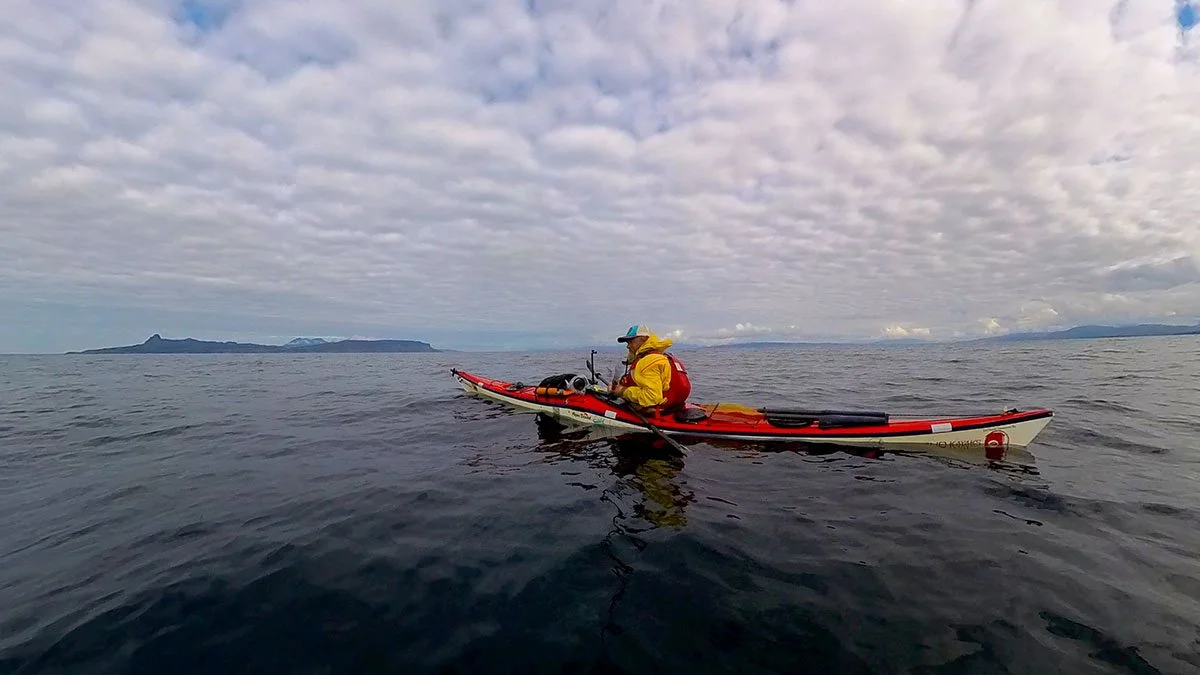
Polymer Clay Necklace

There was a moment during my time when my medication was altered. One antidepressant was changed to another. A day into taking this new drug I noticed alarming side effects. My balance and co-ordination were knocked for six and I would stumble and wobble my way around – as if I were drunk. The other alarming effect was experiencing priapism (you’ll need to look this up if you don’t know since I’m not going to describe it). This was extremely painful, uncomfortable and embarrassing. I did joke with one of the male nurses that I should be proud of this condition now I was in my mid-fifties. This drug was hastily stopped, and I returned to the original antidepressant. Unfortunately, this process set back my recovery time because I had to be weened off one before beginning the other, have a few days on nothing, and then begin the new one incrementally.  

I’ve mentioned Occupational Therapy a fair bit. This was my saviour during my time on the ward. I enjoy being creative and I threw myself into several satisfying projects. I made jewellery out of air dried clay. I also made a chess set out of the clay for the ward since the usual one had been lost. I discovered the joy of polymer clay, and after watching various You Tube instructional videos, I was creating some lovely jewellery. These sessions were relaxed and convivial where the OT staff encouraged conversation which avoided our illnesses and treatment. There was often much laughter. Creativity helped me find value in myself.

I enjoyed one to one walks along the delightful woodland trails behind the hospital with various nurses. One person seemed to enjoy my company because he always sought me out to go for a walk. We shared a love for wild Scotland. When Karen visited, I was allowed out with her and we usually walked the woodland trails too. When my confidence grew, we went further afield for a walk and stopped at a café for a bite to eat. Eventually I was allowed time off the ward unaccompanied. To begin with, it was for only half an hour and no further than the woodland. As my trustworthiness was accepted the time limit was extended as was the range I could walk. It took me quite a while before I went to the local supermarket on my own. Being allowed out on my own was daunting to begin with. I had to suppress urges to disappear, although I knew this wouldn’t occur because of the promise I had made at the beginning of my stay.

Ziggy Delighted to See Me

Karen dedicatedly visited me every weekend. This meant her catching the last ferry on a Friday, reaching the hospital in time to see me on the ward. Sleeping in the car and latterly a tent, spending Saturday with me and some of Sunday. Ziggy, our lovely dog, was always delighted to see me. Karen always brought me goodies in the form of packets of wine gums and packets of dried mango. Always a treat for me. Sadly, many of her visits were tough for both of us. I was often uncommunicative and tetchy. There were often long periods of difficult silence. However, it was always wonderful to be in her presence and I missed her during the week. Our daily texting and sometime phone calls did not help me miss her any less. My parents visited a couple of times, driving up from Herefordshire with their caravan and staying locally. My daughter, Beth flew up from London early on and my son Chris, made a monumental effort by travelling by coach from Exeter, spending only a few hours with me, and then retuning home the same way. I was also blessed to receive innumerable cards from friends, many I have yet to meet. I am humbled by the love and compassion I was gifted from my wide circle of friends I knew first-hand, and others from my Twitter existence. I felt a large amount of guilt for not replying to them with thanks.

Depression is exhausting for me. Even though I wasn’t extensively active on the ward, I found myself consumed with fatigue a lot of the time. Essentially, I was fighting within myself. My thoughts and beliefs of self-hatred overwhelmed rationality but I fought back, attempting to shift these negative judgements away from me. This fight to overcome my bouts of introspection and rumination was a constant for much of my time on the ward. As time passed, these became easier but nonetheless I was often consumed by periods of ‘black thoughts’. Much of my thinking centred on guilt. The beliefs about my being a father, a husband, a son, a brother, an uncle, a friend, a colleague, even online associates through Twitter. I could only see what I perceived to be my negative manner in how I related with people. Extreme guilt for past wrongs and slights. Shame for mistakes and misdemeanours. I felt a huge amount of shame and guilt for embarrassing my RNLI Tobermory colleagues through my suicide attempt. No matter how much the nurses attempted to guide my damaging beliefs away from my thinking, I would invariably respond with the classic “yes but” rationalisation. When I look back now, I think it must have been hard work for the nurses to chat to me. (There’s an unfounded negative belief right there.) They were always patient and compassionate with me.

My depression this time was deep. Deeper than I had experienced before. Now I knew I had it within me to carry through my desire to take my life, I couldn’t think of much else. In the early stages of my admission, my thoughts always ended with the inevitable belief, I must die, I want to die. If I didn’t, I’ll forever be wracked by this illness and I could no longer live like this. I found myself angry with the misconception I was keeping myself alive purely for the benefit of others. Could they not understand the pain I was experiencing? Could they not allow me to end this all? After all, once I was gone, they would no longer have to put up with my depressive moods.

This belief I must die was roundly challenged by the consultant who asked me one day, “If you didn’t have your depression, would you still want to die?” I remember sitting there my mouth agape attempting to come up with one of my usual negative ripostes. It dawned on me; I didn’t want to die. In fact, I wanted to live a life of potential and hope. I think it was in that moment a shift occurred within me and I understood my responsibility in working towards my recovery. I couldn’t expect the hospital staff to cure me, this was a process I needed to accept control of.

The CBT certainly helped me engage with my recovery process. So did past awareness from my sea kayaking adventures where I had encountered many profoundly metaphoric experiences. Probably the most powerful of these being the awareness – ‘this will pass’. The difficulty, the discomfort, the anguish, the pain, the depression will all eventually disappear, and I will be strong again.

My eventual recovery on the ward as it has always been in the past, was a swift process, happening within two weeks. The CBT sessions were ending, my mood had considerably lifted, and my anxiety levels had stabilised. I was allowed home for a two night stay. This proved to me I was ready to leave hospital. In fact, I suddenly realised I did not want to be there anymore. Within a few days of returning to the ward from this home leave, I was discharged and away the very next day.

I had been in hospital for three months. It did not seem this long, though I did realise with some sadness, I had missed most of the summer. It was a joy to return home to Tobermory and now as I type this, I recognise how far I have travelled since that desperate act at the beginning of May, when I was the ‘Man Who Jumped From A Ferry’.

The Man Who Jumped From A Ferry - Part 1

If you are experiencing low mood or you are emotionally fragile, please be aware this article details my recent attempt to complete my suicide. I encourage you to seek help the best way you know.

This account is not intended to be sensational or glorify my actions. I hope by writing this it offers insight into the dreadfulness of depression.


I sat in the passenger seat of our car in the loading queue for the Craignure to Oban ferry, morosely gazing at the MV ‘Isle of Mull’ as she hove into view and began her elaborate manoeuvring alongside the Craignure dock. A stevedore expertly performed his task throwing heaving lines with consummate ease to the ferry crew and the thick plaited mooring ropes were secured and the ship gracefully pulled into her mooring for unloading. My wife, Karen, had wandered over to the ticket office to purchase our tickets. I was alone in the car feeling dreadful. We were on our way to the Central Argyll Community Hospital for my psychiatric assessment, hopefully leading to admission on the psychiatric ward.

I looked up at the looming hulk of the ferry, casting my gaze along the external passenger walkway leading to the stern viewing deck. I knew then what I had to do.

~

Turning the clock back a few days, I recall the circumstances leading to this desperately low point in my life. Each of these instances melded into the other in a timescale which rushed past me at a seemingly uncontrollable pace. In describing them, it’s not my intention to apportion blame or responsibility. This is mine to carry, but this is an explanation of how I interpreted what I experienced. It’s important for me to do this in detail because not to do so, would diminish how my wish and my decision to end my life evolved.

A week or so earlier, to my joy I had been offered a job with the Tobermory Distillery as a part time tour guide. This was my first paid employment in eighteen months, and it was a role I was delighted to attain, whisky being one of my personal pleasures. The arrangements surrounding my start date were loose and confused which ought to have alerted me to what happened next. A week later I was sitting in the queue to board a ferry back to the Isle of Mull when I received a phone call from someone in the Tobermory Distillery’s parent company. In no uncertain terms I was told the job wasn’t mine to have been given and there was no role for me. It was a call out of the blue and because no reason was given to why the job wasn’t mine, my internal response was one of catastrophic thinking. I was angry too and turned to Twitter to express my ire, including naming Tobermory Distillery directly. I made an unsubstantiated assumption the reason for the job being removed was because I’m open about my mental health travails and this worked against me. There followed an outpouring of support from many of my Twitter followers along with a few responses cautioning restraint on my part before I knew the facts.

I then received an email from my paddling partner for a forthcoming kayak expedition raising funds for the R.N.L.I. asking me to reconsider my Tweet since he feared this would reflect badly on him and his professional brand. Regrettably, and I sincerely do regret this, I telephoned him and lost control of my temper. My issue centred on my freedom and identity being governed by another. On deeper reflection, this loss of identity to the will of another is an aspect of my life I have long struggled with. As a result of this tempestuous phone call, I received an email from him letting me know he no longer wanted to paddle with me, and would I see to it that money raised from a few of his Project Patrons was repaid.

I was devastated. Although I hadn’t known him long, I trusted him enough to be totally candid about the darkest depths of my struggle with depression and I understood from him, he would stand with me if I faced these demons during our expedition. My interpretation of this sad situation was again governed by my uncontrollable catastrophic thinking. This was the primary trigger which propelled me towards the decision to take my life. My rationale being, if being candidly open about my depression does not serve me, there is no point in me living. Essentially, I believed myself to be totally useless, a destroyer of friendships and an overall burden to those around me. In the absence of any further contact from my friend, I lost perspective and told Karen of my intention to kill myself. We live on a yacht and my intention was to slide into the sea in the dark of the night and drift away.

As per my ‘safe plan’ when I reach this critical stage of a depressive episode, we visited the local GP together. Thankfully he took control of the situation when he clearly understood Karen’s fear and her stated inability to give the twenty four hour care I required. He made an emergency appointment with the Community Psychiatric Nurse later that morning. I know Mairi very well, often seeing her once a week for support, sometimes twice a week when my mood is very low. When we met with Mairi, Karen again explained her fears. Equally I was unwilling to commit to keeping myself safe. My mind was made up and my intention was clear. Mairi contacted the Community Mental Health team and an assessment was arranged later that day at Succoth Ward (psychiatric ward) at the Mid-Argyll Community Hospital in Lochgilphead. Living on the Isle of Mull, this meant taking a ferry from Craignure to Oban on the mainland. It’s a popular and busy route and without a booking it’s not always possible to get aboard with a car. After hastily throwing together some clothes for a potential hospital admission, we were on our way to Craignure hoping we would be fitted on to the next sailing.

Despite the hope I would be admitted into hospital and the profound relief of safety I would experience, I remained deeply miserable, considering myself a complete failure for reaching this position yet again. This was going to be my third psychiatric admission to this hospital. In the last twenty years I have accumulated well over one of those years as a psychiatric inpatient in various hospitals. I had no hope whatsoever my life would brighten, and I would be forever cursed with my depression. Since the New Year, I knew I was maintaining only a couple of steps ahead of a deep depressive episode. The kayaking expedition was a serious attempt to pull myself further away from my looming depression. Losing this was a major blow.

The MV ‘Isle of Mull’

This is where I found myself sitting in the car waiting to board the ferry and from Oban, an onward hour long journey to the hospital. As I scanned the passenger walkway and the observation deck on the ferry, I made my decision and formulated a plan. I would leap from somewhere on the deck hoping I wouldn’t be seen, and I would drift through the sea into hypothermic oblivion. My mind made up; I remember a sense of complete calmness suffusing my being. It was a release of my pent up pain. I kept my decision to myself and when Karen returned to the car with the tickets it was with a sense of disembodiment, I maintained a conversation with her.

We boarded and followed our routine of finding a seat in the ferry atrium, a place on the ship where dogs are allowed. We rarely find a seat elsewhere, preferring to sit quietly with mugs of coffee watching the excited tourists and the more sanguine islanders wandering from the restaurant to other parts of the ship. On this occasion though, we didn’t buy coffee or any snacks as we normally did. Once the ship was under way, Karen was oblivious to my neck craning manoeuvres to ascertain where were during the crossing. My plan was to jump into the churned tidal waters off the southern tip of the Isle of Lismore. Twenty minutes into the journey I worked out we were close to this point, so I simply said to Karen I was off to the loo, scratched the top of her head and wandered off. I didn’t look back.

The Sea Off The South of Lismore On A Calm Day

I hastily found my way onto the starboard walkway (right hand side of the ship) where there were too many people gazing down the Firth of Lorne towards a cluster of far off isles. I climbed the stairs to the stern observation deck where again there was a cluster of passengers on the starboard side but only two people in the far corner of the port side (left hand side). Descending the stairs on the other side of the ship to the portside walkway I was relieved to see nobody there. I wandered along to a point where I found I could stand on small flat section of deck after climbing the guard rail and leap with ease into the sea. To make sure I was truly alone I dashed back up the stairs to the stern deck to check if anyone was making their way towards my walkway. I noticed the couple over by the far rail and realised there was a good chance they might see me. I also saw the MV ‘Clansman’, another Caledonian MacBrayne ferry following not far astern. There was nothing I could do about this and I made my way back to my chosen spot. I took off my fleece jacket, so I was clothed in my trainers, trousers and thin t-shirt. I placed my mobile phone on the jacket. Without a second thought I climbed the rail and stood on the edge of the ship. Beneath me the wake of the ship creamed alluringly. Without hesitation I leapt.  

I felt no fear and instinctively pinched my nose with my right hand and held my right arm into my body with my left hand – just as I used to instruct students to do in my Outward Bound days when leaping into deep river pools from the rocks. I forcefully hit the sea feet first and felt pain shoot up from my backside. In a strange moment of ruefulness, I considered the bruise I would eventually have. All this as I disappeared under the water, allowing myself sink as deeply as I could to avoid being seen from the departing ship. The water did not feel cold. I surfaced in the rough and tumble of the wake just as the ship’s stern was slipping away from me. I looked up the stern deck and hoped I hadn’t been spotted by the couple by the rail. I couldn’t be certain, but it seemed to me my jump had gone unnoticed. The next thing which entered my mind was the approaching MV Clansman only half a mile away. I began to wonder if I would be run down.

However, superseding these observations was an incredible sense of peace and tranquillity. I felt no regret, neither any fear too. I am home on the sea and have never viewed it as an entity I have needed to battle with and overcome. I am often awed by the surging power of the ocean, but rarely frightened by it. In this instance now, I had a deep sensation of being at home, where I would peacefully pass away. My body, naturally buoyant, kept me on the surface, causing me to be mindful of how visible I might be. I forced my lower half to sink and with this, I kept my head from my chin up above the surface. The sea was cold but not debilitatingly so. I looked back to the ‘Isle of Mull’ not fully comprehending what I had done. There was no regret, no change of mind, no sense of fear of what was to happen to me.

The ‘Clansman’ loomed above me as she passed by and I kept myself low in the sea to minimise the chance of being noticed. By now I perceived my movements slowing and my thinking was becoming muddled. The Clansman swept by, her distinctive rumbling engines pushing her forward, the sea piling up around her bow. The wash when it arrived tumbled me a little and I felt the waves pouring over my head. Still there was no sign of me having been seen and once both ships were sailing into the distance, I allowed myself to relax. The wheeling seagulls mewed above me and peace enveloped me. I was aware that I was now being pummelled by the tide race which sweeps around the tip of Lismore and Lady’s Rock. Waves cracked over me and I gave myself to the sea. All was peaceful and the anguish I’d been experiencing over the previous few days was washed away. I was serenely ready for my death.

My reverie was shaken when suddenly three loud horn blasts emitted from the ‘Isle of Mull’. I knew then, my disappearance had been noted and a rescue mission would ensue. I attempted to hasten my end by submerging myself in the hope I would be pulled far below the surface by unseen currents. However, my strength and ability had become weakened and I kept bobbing to the surface. Looking back towards the two ships, I saw they had slowed almost to a standstill and were gradually turning in my direction. The sea was sufficiently rough to make spotting my head a difficulty. The tide now had me in its grip, and I had the sensation of being pulled along through the breaking waves.

My ability to reason was slowing down and I was aware of beginning to drift in my thinking. I saw a small rescue boat speed through the waves a few hundred metres from my position and I made no attempt to hail them. I noticed too, a handsome yacht sailing close by, but the waves kept me hidden from them. The ‘Clansman’ had turned and was pointing directly towards me and I sensed the binoculared eyes high on the bridge scouring the sea around me. I knew then I would be quickly spotted. It would be a matter of minutes before I was picked up. My disappointment was palpable, and I couldn’t help feeling angry I had been cheated from death.

The Rescue Craft Searching For Me - Photo: Hanna Capella, BBC

Minutes later I heard the small recue craft and men shouting. With practised precision the helmsman brought the craft alongside me and two pairs of hands grabbed me and without ceremony hauled me out of the water. I felt my ribs scrunch on the gunwale, and I let out a pathetic moan of pain. It had crossed my mind to attempt to fend off any attempt to rescue me but even in my increasingly befuddled state, I realised this would be foolishly futile. The helmsman gunned the outboard engine and lying in a sodden heap on the floor of the boat, I felt the thumps as the hull slammed into the troubled waves. A thermal space blanket was scrunched around me and a voice close to my right ear was shouting; “What’s your name?”. This was repeated until he could make out my gurgled and whispered response. I was now shivering uncontrollably, my cold body now exposed to the air and wind chill caused by the boat careening through the waves. I could make out some of the rescue crew’s urgent conversation, all of them agreeing it would be best if they took me straight to Oban. Looking skywards I noticed a Coastguard rescue helicopter bank and turn away back to where it had come from. Obviously, it was now known I had been rescued.

I think I had been in the sea for close to half an hour and hypothermia had set in. By all accounts I was fortunate to have survived. This was put down to my strong constitution.

I drifted off into a semi-conscious state because the next moment I was aware of was coming to in the warmth of the Oban Lifeboat cabin, enveloped by the all too familiar pungent aroma of boat and urgency. I was confused because I was now on a stretcher and wrapped in something more substantial. A familiar face loomed into view and a voice with some authority, stated he knew who I was and where he’d met me before. This had been on my 2015 sea kayak journey around Scotland when I visited each of the R.N.L.I. lifeboat stations. Thomas was the mechanic for the Troon lifeboat, and we had stayed in touch since then. Someone took my temperature and I heard them call out I was 35 degrees. My body continued to be wracked by violent shivering and it was nearly impossible to answer Thomas when he spoke to me. I clearly remember him urging me to remain awake and to think of the kayaking journey I was going to share with my paddling partner. I attempted to mumble back that the expedition plan had been shattered but my words erupted in a splurge of regurgitated sea water. I could feel the intense power of the lifeboat surging through my body and for first time I recognised a great urgency around me.

Again, my awareness of being lifted off the lifeboat and into the waiting ambulance is clouded. I can’t remember how this happened. I was beginning to fade in and out of consciousness with only a faint recollection of the wail of the vehicle’s siren and the motion around me as it made haste the short distance to Oban hospital. I think a canula was inserted into an arm by a medic with an urgent voice willing me to remain awake.

On arrival at casualty I was swept indoors where what seemed to me, a host of nurses and medical staff were waiting for me. I was gently but hastily transferred from the ambulance trolley stretcher onto a raised bed in a brightly illuminated room. I continued to shiver uncontrollably, my teeth now chattering a loud tattoo. My clothes were ripped off me, leaving me completely naked. It all seemed a complete blur to me, urgent voices, firm but gentle handling, cannulas being inserted, my temperature regularly checked, my modesty thoughtfully covered. My shivering continued and I couldn’t form any words. A hand suddenly and gently stroked my right cheek, a doctor leaning towards my head, her voice consoling me, telling me I was safe now and whatever pain I was experiencing would be taken care of. She had an Eastern European accent. Her sympathetic words unlocked my emotion and hot tears welled up and coursed down my cheeks. I cried silently while my body ached from my violent shivering. Her ministration was one of the kindest acts I have ever experienced from a stranger.

I was asked if my wife could come into the room to see me. I could only nod and soon she was there, touching my hand, her eyes expressing her fear and concern. I mumbled again and again – “I’m sorry.”

I remember then a voice asking if my spine had been checked and it was obvious this had been missed. I was immediately log rolled onto my right side, a warm pair of hands holding my head still, and fingers purposely prodded my spine. I yelped when my lower back was touched and immediately, I heard the words ‘MRI’ and ‘scan’. I was gently log rolled onto my back again, a brace placed firmly onto my neck and then I was lifted on to a waiting trolley, the medic holding my head calling the instructions. Despite my fuzzy state, I recalled how we used to practice this as mountain rescue medics in my days of being a member of various mountain rescue teams. I was aware of Mairi entering the room and touching me gently, her voice full of concern.

The trolley was trundled through echoing and brightly lit corridors of the hospital, into a lift and then quite bizarrely into what seemed to be an adjacent portacabin. The accompanying medic ruefully told me that this was a temporary arrangement while the MRI suite was being constructed. Nevertheless, I was aware of the scanner to my side. With the same purposeful gentleness, I was lifted off the trolley onto the scanner bed and instructed to keep myself perfectly still. I was still shivering, and I focussed my effort in attempting to bring this under control. The scan was quickly conducted, and it wasn’t long before I was being placed gently onto the casualty room bed again.

I was asked if I wanted to speak to the captain of the ‘Isle of Mull’ who had telephoned to ask how I was. I declined but Karen took the call and later told me he was concerned for me and wished me good health and recovery.

By now my shivering was within my control and I was increasingly becoming coherent. The doctor again ministered her wonderful kindness and told me I was to be transferred to the psychiatric ward in Lochgilphead. She said over and again, she couldn’t offer me the care I required, and I would soon be safe, and eventually I would get better. I could only nod in response, again emotion rising from within me. The sense of urgency around me was beginning to dissipate. The results from the MRI came back and I was told I hadn’t suffered damage from the jump but there was evidence of an old fracture on my spine. I was assured this would not cause me any problems. I would love to tell you this fracture was caused through some past act of daring do but I think it occurred when I was vacuuming a steep flight of stairs and I tripped on the hose, sending me tumbling to the bottom of the floor below.

I was covered with a form of bubble-wrap with large squishy plastic bubbles. A hose had been placed between my legs and warm air was blown underneath the covering to bring my temperature up. This was a rather pleasant sensation on my nether regions. With this warmth my body temperature was soon restored and the business around me was halted. Medics and nurses drifted away, leaving Karen and I alone.

There followed a slightly bizarre and uncomfortable forty five minutes while I got myself dressed in the spare clothes I had brought for the hospital and sat on the end of the bed waiting for a police car to turn up to take me through to Lochgilphead. Unfortunately, no ambulance was available for my transfer and they wouldn’t allow Karen to drive me. The police sergeant assigned to watch over me was kept busy managing his roving units through his radio and it was clear the police in Oban were having a busy time. It was mid-evening on a Friday night after all. I felt the need to make conversation with Karen, but this was desultory, and we ended up sitting together in intimate silence. From time to time a nurse would check on us and I was given a pair of hospital socks because my only pair of shoes were soaking. The policeman kept apologising and tried to engage me in conversation, at one point advising me life was worth living and not to give up. His words well meant, had no affect on me. I only nodded in response.

I was emotionally numb. I did not want to be where I was, and I felt some anger I had been rescued. It was a time of conflicting emotions. Despite the disappointment of failing in my attempt to kill myself, I was extremely grateful for the generous care I had received from the moment I was rescued. There had been no judgement directed at me, simply a warm response to the pain I was suffering which had driven me to my desperate act. I was embarrassed too. I felt vulnerable and exposed. I wanted the police transport to arrive as soon as possible to take me away.

Eventually the car arrived, and I was helped into the back. The door securely locked so I couldn’t open it from the inside. The driver did not say much but the police sergeant sat in the back with me and asked me a few questions about where I lived, what I did and other benign subjects. My responses were brief with an odd feeling of being disembodied – talking about somebody who wasn’t me. I was believing the true me was a complete failure, not fit to receive this unrequited care.

The police driver seemed not to worry about keeping the speed down. I sat in my own world, holding onto the handle above the door to steady myself, gazing at the luscious Argyll scenery passing by. There was an incredible warm orange glow on the hillsides as the setting sun lit the world around in one last flourish before it disappeared for the night. I barely registered the beauty. I found myself thinking of the inevitable. If I had died, I would never see this again. There was no sense of loss within me at this thought and again I found myself wishing for my suicide success. We arrived at a layby midpoint between Oban and Lochgilphead where I was handed over to another police car with another two policemen. The four of them stood chatting while I sat morosely in the new car, beginning to wonder about making a run for it. There was no possibility of me achieving this – this door was also locked.

Finally, we were on our way. Mercifully both policemen remained silent for the rest of the journey, no questions being asked. As the car pulled into the Mid-Argyll Community hospital, I experienced a sinking feeling. I felt a failure with no hope of ever regaining my health. The car pulled up outside the doors to the corridor leading to Succoth Ward, the psychiatric unit. My passenger door was opened and silently the three of us wandered inside. Miserably I walked down the all too familiar corridor until we were at the door. The entry bell was pressed, and the chime reminded me exactly where I was. With the two burly policemen standing behind me, the door opened, and a nurse welcomed me in. Without a word, the two policemen walked away. The door closed and locked with a loud clunk behind. Once more I experienced a curious mixture of sensations – feeling safe at last and a despairing hopelessness.

I was here again, my seventh psychiatric admission in twenty years. This had been my first serious attempt at suicide.


Karen’s Experience.

After two days talking to the locum GP and Nick’s CPN we were offered an appointment at the mental health unit in Lochgilphead. There was no guarantee of a bed, but I didn’t think they would drag us down there if the local staff didn’t think Nick was in need of care.

It had been a long journey getting to this stage and we were both exhausted. When Nick is this ill, I don’t sleep well; every sound and movement from him disturbs my night and I dread waking to find him gone. I carry on with life but am always wondering how he is and if I might come home to find him missing for good. He once told me that he wouldn’t kill himself when he had the dog in his care, and I try to leave Ziggy at home if I can. We spend evenings together but are somehow detached.

That day we got into the ferry queue and watched the Isle of Mull arrive. I was so relieved that Nick would finally be going into hospital. His safety would no longer be my sole responsibility. We took our usual seat on the boat and I logged on to the wifi. Nick did the same and then told me he was going to the toilet, ruffling my hair as he did so. What horrified me later was that I didn’t even look up.

I remember someone shouting  ‘man overboard’ and I must have ran up the stairs to the stern. One of the crew took me away as I was screaming and friends from the island came up to sit with me.

I have no idea how long we watched The Clansman and other sailing and commercial boats search for him. I heard the captain ask everyone on deck to scour the water to try and spot him. I veered from hysterical to silent, uncharacteristically not caring who saw me or what anyone thought. I slowly became more sure that he would die. Much of the journey is hazy but I do  remember wanting to deck a person who told me she had people all over the world praying for him. The locum on his way home came up to support me, correctly guessing that it was Nick in the water.

Then he was found. We watched them pull a body onto the rescue boat, and head for Oban and the hospital. Someone came to tell me he was alive. Tom drove our car to the hospital, and he and Marjory waited with me until my sister arrived. I was interviewed by the police and then allowed in to see Nick.

There was no ambulance to take him to Lochgilphead, so two police officers were assigned to drive him down. It felt as though I wasn’t to be trusted.

My recurring nightmare is what, if Nick had planned, no-one had seen him jump. When would I have realised what happened? How long before it dawned on me that he wasn’t coming back? Who would I have told? What would I say?

When he is suicidal, I try so hard to keep him alive but this time I failed. I often wonder if I am trying to keep him going for my own sake rather than for his. When Nick is at his lowest, I can understand him wanting to die. Depression is so awful and so constant that death is a release. He really didn’t have any other choice that day, and my regret is that I wasn’t able to prevent him reaching such a low state.

The loneliness of his death would have been the worst part of it. I want to die in the company of those I love, but he was forced to try and die alone.

The reality of life without Nick hit me so hard that day.

Authenticity

Yesterday I did something which was beyond my normal character – I tweeted an angry tweet and referenced the organisation I am angry with. I then followed this tweet up with another, again referencing the organisation and made an unsubstantiated accusation they were discriminating against me on the grounds of my mental health struggles.

It is not in my character to seemingly rashly lash out. Invariably when I think I have done so; I feel considerable guilt and either attempt to make amends with mollifying follow up tweets with asinine photos, or remove the offending tweet altogether (though I realise it is never truly deleted).

This time though, my anger is tangible, it comes from deep within me, and I feel no guilt whatsoever for lashing out yesterday. This is telling for me.

In general, the responses I received from my wonderfully caring group of Twitter followers was as gratefully expected; warm, supportive and shared in my indignation. There were a few folks while sympathising with me, cautioned a more reasoned response on my part, inviting me to consider not making allegations before clarifying the situation with the organisation’s HR department. At least, this is how I’ve interpreted those responses. I understand and appreciate their concern. After all, I have more than once offered similar advice to others who have tweeted their ire when it seemed prudence would have been a more beneficial consideration.

The fact I am feeling no shame or guilt with the two tweets tells me my anger is authentic.

As I understand it, we have four core emotions; anger, sadness, fear, and joy. It’s depressing, but from an early age, many of us learn to not express those four emotions in their authentic fullness. As children we learn to hold our anger in, to not cry when sad, to not be fearful when frightened and with joy, to curtail our exuberance. These traits of adaptation towards our innate emotions are carried forward into our adult lives. It is said with considerable authority, that people suffering from depression do so because of locked in anger, anger which is turned inwards against the ‘self’ rather than being expressed authentically, in the moment, when it occurs.

I was angry yesterday and I am still. I expressed my anger through my Twitter feed and in doing so, I think I have challenged the perceptions some have about how we express anger and where it is appropriate to do so.

Whether Twitter is an OK forum for me to express my anger or not, isn’t the issue for me right now. The fact I think I have been challenged for being angry, is. I am ‘rubber-banded’ right back to my early years in my life when I was learning to hold my anger in, not to show it, not to be ungrateful, to always consider the other, to be meek and submissive.

Normally, I would be meek, expressing a measured response, where it’s clear I’m accounting for the other in the dispute. Therefore, because of this, I feel guilty if ever I believe I have rashly lashed out on my social media. I’m more than ready to account for my part in a dispute and to apologise with genuine remorse if I understand my error in judgement or assumption. This is true for this incident now, if this is the case. However, I’m writing about this because my interest has been piqued by two things. The first, the genuine depth of anger I am feeling and my willingness to express it, and second, how in doing so, I have elicited cautionary responses from a few folks. I once again find myself fascinated by the human condition and how best we live with our authentic selves and express our authenticity.

I remember in one of my psychotherapy groups someone saying – to be human, it’s necessary to get messy sometimes.


Resurgence

The past month or so has been dreadful for me. My clinical depression has had me firmly in its grip, so much so, I’ve been literally fighting powerful urges to complete my suicide. I think this stark statement may come as a surprise to many who have seen me on-line in my Twitter and Facebook personas, posting lovely photographs and typically Nick type cheery comments. This is the nature of my beast,

Resurgence

Last year during my ‘Three Peaks by Kayak’ adventure, I found myself inspired by the various experiences I encountered to make meaning of my depression and understand how I can live with it. There was one particular moment when fighting against the tide in the middle of the expansive Luce Bay off the Galloway coastline, when I came to the enduringly powerful realisation that the discomfort I was experiencing at the time was not permanent, and when the tide I was fighting against changed in a few hours, it would soon pass. In that moment, I instantly embodied this awareness because of its powerfully analogous pertinence to my depression recovery process. In this moment of enlightenment, I finally believed what the many caring professionals had been telling me for many years - “This will pass. Given time, you will become stronger and feel better.”

Making the decision to believe the impermanence of my depression did not lead me to believing I would eventually be cured of it. Instead, this allowed to me to accept I will live with depression all my life, and it’s the deep depressive moments which will come and go. Likewise, the thoughts and beliefs I have about taking my life are associated with these deep low periods and I was now able to counter these with a belief that they are impermanent. I now understood the notion of making a permanent decision based on an impermanent feeling.

However, when my clinical depression takes hold of me and I sink into a deep and dark low, my ability to cognitively function is impaired by the wide ranging self-destructive and self-hating thoughts and beliefs I find myself struggling with. I find myself literally fighting for my life, voicing out loud (when alone), reasons why I shouldn’t kill myself. This is an internal battle which rages in my head and through my body. Thoughts and feelings merge to be expressed in my language, how I think, how I feel emotionally and how I feel physically. My energy and personal resources are expended on this battle and too, in masking this fight from the world around me. I do not want the ordinary world to know of my pain. There may be hints, or I may put out a Tweet which may be more explicit, but generally, I continue post lovely photos with asinine words. (At least I think they are at the time). Likewise around and about in my lived world, people will probably not be aware of the self-destructive thoughts I have running through my mind when I meet them in the street or when chatting over a pint or a coffee.

There have been a few moments recently when I have desired hospitalisation because the struggle to overcome my thoughts of suicide have been more than I could cope with. However, there’s always been one reason or another why I didn’t explicitly seek this and I continued to fight on my own. In a way, the now embodied adage “this will pass”, enabled me to remain with my distress in the knowledge that it was likely to diminish over time. I continued to live my life in the public realm as unobtrusively as possible, hoping few people would cotton on to the mask I was wearing. Karen was totally aware of course and lovingly supportive. Likewise, my C.P.N. was happy to see me twice a week for lengthy appointments. I wasn’t totally alone.

I’m often asked what the causes are for a particular bout of depression, something I can pinpoint as the originating source. Generally there is none. The malaise takes root, deepens and insidiously manifests itself to the point where I become overwhelmed by it. I’m aware of its early presence and determine I will not allow it to take hold of me, but despite making efforts to stall the process by undertaking health enhancing activities, the depression is the stronger. My mood sinks and I am engulfed with beliefs of self-hatred, self-loathing, and uselessness. No matter how heartening the reassurances from friends and family about my worth, these messages of genuine warmth and love fail to reach my core. I find it easy to counter them with the all to predictable response - “Yes, but…”. This in turn serves to make me feel even more unhappy, because then I add the belief I’m an unnecessary burden to those who love me.

Having met with a psychiatrist, I am on a new medication regimen which he is confidently hopeful will help me raise my mood and begin to feel the joy in life again. To be truthful, I detest taking anti-depressant medication because I have found the side-effects to lead me to feeling more unhappy than the opportunity for a cure. Feeling sluggish, doped, constipated, lost libido and other minor conditions, all serve to reinforce the futility I feel about my life. For the last eighteen months I have been medication free, determined to live with my depression in an organic, self-sufficient manner. To all intents and purposes I think I managed to do this successfully until the point this year, just after Christmas and my mood slipped past my ability to self manage myself. Even then, it took some insistence on the health professionals’ part to encourage me to consider taking medication again. It’s early days still.

Despite this desperate bout of depression, I have looked forward to the future, and found within myself a desire to plan for another kayaking adventure. Not only this, I have chosen to invite a new friend to share the adventure with me thus breaking with my usual process of kayaking solo. In getting to know Jack on-line and then meeting him recently, I have discovered a friend who shares my understanding of the world and a passion for exploration by kayak on the sea. Our common ground is our connection to the R.N.L.I. and it is the charity which forms the basis of this expedition. You can read more about this here.. Sharing a kayaking expedition is going to be a renewing experience for me because it’s many years since I last headed off into the wide yonder with someone beside me. I’m really looking forward to Jack’s companionship.

Today the sun is shining and the sea is calm. It is the last day of March and early this evening we move out to our summer mooring in the bay. I’ve readied the engine, checked the electrics and filled the water tank to the brim. Propane gas bottles for cooking and heating are charged, and the inflatable dinghy we use as our tender has been spruced up with a wash and a new seat. There is something in this transhumance experience of mine, moving from our winter berth to our summer one, which excites me and reminds me of the resurgence of life. Around and about there are the signs of spring. The cormorants are gathering materials for their nests on the nearby cliffs, the trees are beginning to show signs of green and the sea is becoming translucent again. I feel my blood moving within me, a sure sign that life is returning and soon the shackles of this depression will be shaken off. With the help of my medication, I’m hopeful in a few weeks I’ll be noticing the colour of the world around me again.

2019!

A new year! I sincerely hope it is a wonderful one for us and my warmest wishes to you all.

Tobermory Sunrise, January 2019

I decided at the turn of the year not to set myself resolutions because I know full well I won’t uphold them. This doesn’t mean I’m without aspirations for the year ahead. In fact I think I have far too many ideas and plans to squeeze into the twelve months of 2019.

First things first though and I want to announce I have put on hold my plan to kayak to the rest of the R.N.L.I. Lifeboat Stations around England, Wales and Ireland. I had announced this with some flourish late last year and went as far as getting the planned adventure endorsed by the R.N.L.I. in preparation for approaching sponsors and donors. Then I wrote a book and have had this accepted for publication. This is the book about my sea kayak journey around Scotland in 2015. I was faced with the dilemma of delaying publication while I undertake the kayak journey or cancel this and focus on the book. I chose the latter. The book has taken three years to come to fruition and to delay it further would be demoralising for me. This is the first book I have written and I want it to be something I’m really proud of. Therefore I need to focus on making sure this is the case.

Additionally, there are family concerns which have recently emerged and I can’t in all honesty take myself away for a seven month adventure.

I’m disappointed not to be undertaking what would have been the largest adventurous challenge I will have ever faced and there are moments when I express a big sigh when reflecting on this. However, this is the nature of adventure. There is never a certain outcome and I’m philosophical about the decision I have made. The 3900 miles of coastline and the lifeboat stations will be there in future years.

In the meantime though, I have plenty of ideas for shorter kayaking trips and other adventures. Realising I have these opportunities before me reminds me how fortunate I am. We have the yacht to sail locally and further afield, I have my kayak and endless miles of incredible coastline on my doorstep, and there are hundreds of square miles of mountains and wild land to climb and explore.

Attending to my mental health is a high priority. Thankfully I am feeling strong at the moment and have been for a couple of months now. Writing the book has helped with this. I’m keen to build on my strengthening sense of self and to share more about my experiences with depression and suicidal desires. I have ideas of achieving this through writing, social media and public speaking. Many of you may know me through Twitter and this is where I am most vocal about my mental health experiences.

I would like 2019 to be a year of connectivity for me, where I reconnect with friends, old and new, and forge new connections. To this end then, I live on the Isle of Mull and if you find yourself in Tobermory, I’d be delighted if you looked me up for a chat and a coffee.

Thank you for reading this and for your continued interest and support in my life.

World Mental Health Day - A Sea Kayaking Parable.

I wrote this as an article which was published in Ocean Paddler magazine.

Three Peaks by Kayak

The storm is unrelenting. I have been caught within it for what seems like an interminable length of time. There seems no way out and it takes every ounce of my energy to struggle through. Every opportunity to escape seems impossible and the only solution it seems, is to give up. To resign myself to the force of nature and let go. In fact, this is really what I desire, and I begin to allow myself, battered with fatigue, to drift away from reality. Somehow, a glimmer, a spark of fortitude remains, and I grab onto this at the very last moment. I reach out, I call out and assistance is there. Safety beckons and with my last reserves of energy, I embrace life and allow myself to accept the truth. I cannot do this alone and I require professional intervention. 

Ben Nevis from Loch Linnhe

The above is not a dramatic account from one of my sea kayaking adventures. It is in fact a narrative of my battle with clinical depression last Autumn, my strong desire to complete suicide and my eventual admission into a psychiatric ward for my safety and recovery. I live with depression which from time to time is severe enough to see me admitted to in-patient psychiatric care. It’s an illness which has dogged my adult life and one I struggle to overcome.

The clinical term for my malaise is ‘treatment resistant depression’. This means that the myriad interventions I’ve received have so far been unsuccessful and future options are diminishing. In the end though, I invariably make it through the worst of the debilitating episodes and I return to healthy normality somewhat battered, but inwardly stronger for the experience. The problem though, is the danger I face when I sink into one of my suicidal phases. The desire for death is so emphatic and real, that unchecked, I may in one irreversible moment see this through.

Fast forward to 15th May this year and I’m standing on the shores of Loch Eil about to embark on another of my long sea kayaking journeys; the Three Peaks by Kayak. This was a fund-raising venture for Odyssey, a small cancer charity I have worked with and continue to be involved in. There was a back story too, linking the Outward Bound centres of Loch Eil, Eskdale and Aberdyfi by beginning at the first and finishing at the latter. I am a former Outward Bound instructor and had long wanted to undertake this challenge when working for them many years ago. There was also another reason for undertaking this journey, one of recovery. I find solace through my immersion in wild landscapes and sea kayaking offers me the purist way to connect with my world around me.

In many respects, the challenge of kayaking from Fort William to Aberdyfi in mid-Wales and climbing the mountains of Ben Nevis, Scafell Pike and Snowdon on the way was a straight forward venture. It turned out to be a kayaking distance of eight hundred and thirty-two kilometres with some challenging windy conditions, the usual tidal gates to pass through, a few long open crossings and Liverpool Bay to traverse! I paddled this expedition solo and set myself the arbitrary timescale of a month to complete it, (which I managed to do with a few days to spare). I’m no stranger to solo expedition kayaking having visited in 2015 every one of at the time, forty-seven RNLI lifeboat stations in Scotland, an unsupported kayaking journey of 2960 kilometres. In 2017 I kayaked the route of the Scottish Islands Peaks Yacht Race and climbed the mountains of Ben More on the Isle of Mull, the Paps of Jura and Goat Fell on the Isle of Arran. Paddling solo is my preference.

Jura Sunset

An account of my Three Peaks by Kayak journey would be one of many perfect sunny days, unexpected and challenging strong easterly winds for much of my traverse of Scotland, incredibly beautiful and dramatic coastline of course, meeting fantastic people and plenty of humorous anecdotes. It was very much a typical sea kayaking adventure; packing, kayaking, decision making, some eventful seas, beautiful campsites and so on. However, it was far more than all of that. It was in fact a hugely profound experience for me.

When I worked for Outward Bound in the eighties and nineties, the seminal book about our profession at the time was; “The Conscious Use of Metaphor in Outward Bound” by Stephen Bacon. I even went to a training workshop run by him. Very simply, we were encouraged to frame the outdoor activities our students were presented with as metaphors in the hope that this would enable them to establish useful links between their Outward Bound course and their lives at work and home, thus making meaning of their outdoor experiences. Ever since then, I’ve lived my own outdoor life metaphorically, gaining insights about myself and how I relate with the world through the experiences I’ve encountered. It was no surprise then that this adventure would be the same. What I didn’t expect was how incredibly therapeutic it would be.

Lumpy Seas

Standing on the slippery rocks of the Loch Eil foreshore, about to climb into my kayak and set off, I realised how low I was feeling. I didn’t want to leave the safety of my home and the companionship of my wife. I was unsure of my ability to successfully take on the challenge before me and unusually, I felt fear. I was fearful of the seas and the potential hazards ahead. I wasn’t experiencing the excitement and the anticipation I hoped for which would see me cheerily on my way. Instead, I paddled the eight short kilometres from Loch Eil Outward Bound to Fort William conjuring excuses and reasons to abandon the expedition in its early stages. Then, I climbed Ben Nevis in the small hours of the following morning, arriving as planned at the summit as the sun rose. There followed two wonderfully calm days of kayaking southwards reaching as far as Knapdale on the Kintyre coast. My spirits were lifted and I easily settled into my familiar life of an expeditionary sea kayaker. A 4am encounter with an Otter visiting me in my tent on the Isle of Luing, while I was drinking coffee highlighted the joy of the experience. From Knapdale onwards the challenges set in and so did a resurgent struggle with my depression.

The winds and the seas picked up and I found myself struggling to make headway. The bonhomie with the world I had been enjoying over the previous couple of days dissipated, to be replaced with a familiar depressive malaise. I was shaken by how easily my depressive thinking surfaced and at one point, I was frightened to find myself considering how easy it would be to capsize my kayak in the heavy seas and to drift away down into the Irish Sea. My inevitable death would appear to be a dreadful kayaking tragedy. When this thought occurred, I was heading for Machrihanish, still about nineteen kilometres away. With waves breaking around my waist and realising that a huge swell would make any landing down there hazardous, I decided that I needed to make for the shore well before then to sit out this bout of bad weather. I shifted my thinking from self-annihilation to self-preservation. It was that simple. A rocky reef provided me with the break I needed, and I landed on the Kintyre shore with the merest of ripples to contend with. That night in my tent, I reflected on what had occurred and with a surge of powerful realisation, I recognised my innate desire to remain alive.

Ahead of me, twenty-seven kilomteres away, loomed the Mull of Kintyre and its fearsome tidal race reputation. To make the tidal gate here and get through it safely, required an extraordinary early start. This meant waking at 2am and departing at 4. The forecast was for easier weather, so I decided to make this happen. The early morning rise, breakfast and packing in the dark was not as arduous as I anticipated. In fact, it was quite the opposite with a sense of pleasure at heading out to sea while the world around slumbered peacefully. The sun rising and bring light and warmth to the day as I kayaked along the Machrihanish Beach emphasised the joy to be gained from this type of experience. All went according to plan and I rounded the Mull of Kintyre just as the tide turned against me, gently and without the roaring tide race I have yet to encounter there. I repeated this experience for my traverse of the Mull of Galloway, this time an hour earlier. Again, I was rewarded with wonderful early morning solitude as a nearly full moon slowly descended, seemingly disappearing into a mirror calm sea. In fact, pre-dawn starts became the norm for this kayak journey as I repeated them several times further along the coast.

Arriving at Ailsa Craig

What I took from these experiences was a powerful reinforcement that I have it within my ability to make positive things happen. I could easily have chosen to tackle the tidal gate later in the day, accepting I would round the Mull in the late evening and arrive at Southend almost in the dark. By motivating myself to rise early and set off into the dark, I gained a fresh perspective on my journey and found myself enjoying this. I recognised too a sense of personal pride in my determination to grasp the challenge. I learned that this translated easily for my recovery process from my depression. The opportunity for change always exists, it’s up to me to seek it and make it happen.

Landing on the iconic island of Ailsa Craig with its cacophonous gannetry was a highlight of this adventure. I had long wanted to visit the island by kayak, and achieving this after a thirty kilometre crossing from Southend on Kintyre was especially rewarding, particularly because regular squadrons of gannets flying low overhead appeared to be welcoming me in. It was here where I noticed my solitude on this trip. Descending from the 338 metre high summit of the island where I had enjoyed the most incredible sunset over the expanse of an empty Firth of Clyde, I slipped on a patch of bluebells and tumbled headfirst down the steep slope, manically attempting to protect my camera and binoculars in my hands. I ended up in a crumpled heap a good few metres downhill with an excruciatingly painful elbow. The next morning, I was greeted with the sound of a gusting force 5 and the awareness that the pain in my elbow had worsened. It was tender to touch and very painful to bend. With a sense of panic, I assumed the worst and rather stupidly posted my concerns on my Twitter feed. I then found myself reassuring concerned followers that I was safe, well provisioned and didn’t require rescuing by the RNLI, who ironically, came to my rescue on Twitter by tweeting an acknowledgement of my ability to care for myself.

What followed was an enforced day of rest, allowing me to explore my castaway surroundings. The abandoned Northern Lighthouse Board buildings were fascinating with remnants of the keepers’ lives lying in the rooms where they had been used. The wild flowers were delightful. The 16th century castle tower was incredible and appeared to have weathered the centuries better than the contemporary buildings. The bird life was spectacular and coming across a large slow worm basking in the warm sunshine, was a particularly intimate encounter. Exploring all of this on my own with the sense that I was indeed a castaway, was incredibly rewarding. Reconnoitring the ‘Temple of Doom’ like walkways along the eastern edge of the island I happened upon an obviously injured gannet perched upon a rock, its head tucked deep under its bloodied wing. At first glance I thought it may be dead but then the slightest of shivers which ruffled its glorious feathers, showed me this was not the case. I stood stock still, suddenly deeply impacted by the painful reality that for this poor bird, there was no future. It had chosen to perch on the rock to wait for its inevitable death.

The Dying Gannet

There was nothing I could do. Any means to put it out of its misery would be brutal and anyway, I didn’t want to play ‘God’ and hasten its death unbidden. I walked away back to my tent, the angry white capped sea to my left emphasising the potent force of Nature. This was a powerful moment for me, the issue of death being forced into my consciousness again. It occurred to me that unlike the poor gannet, humans are afforded the opportunity to choose the manner of our death. Faced with the inevitability of a dire diagnosis or indeed, suicidal desires, we can choose to curl up and wait for the inevitable end, even hastening it, or raise our heads and face it head on, living our lives as fully as we can before the moment arrives. We can fight too. We can medicate ourselves, undergo surgery and accept professional intervention to prolong or overcome the illness we are faced with. On Ailsa Craig, alone, almost like a shipwrecked mariner, I received the most illuminating awareness of the whole adventure. Choose life!

A few days later, after rounding the Mull of Galloway in the mid-morning after a pre-dawn start, I was faced with the twenty-seven-kilometre crossing of Luce Bay – against the tide. The weather was benign, and the sea was calm. The forecast for the following day was for force five easterlies, so I either set off there and then, or accepted I would be stuck by the Mull of Galloway for at least another day. I vacillated. I was weary and I knew that the tidal stream flowing out of the Solway Firth would be tough to contend with. However, I wanted to press on and make it at least to the Isle of Whithorn where I could sit out the strong wind next day in relative comfort. There was an hour or two of tide left in my favour, so I set off. Indeed, I made it across to the eponymously named Scares eleven kilometres off the Mull coastline in good time. However, after I had made it through the churned waters around the rocks with some nervousness, it seemed to me as if all progress was halted. The hazily indistinct coastline was sixteen kilometres away and regular glances at my GPS showed my progress was counted in metres not kilometres. While checking my GPS, I would drift backwards!

My heart was heavy. This moment seemed interminable and hopeless. I rued my decision to set out and began to consider returning to the Mull of Galloway with the tide. Somehow though, I kept going one slow, heavy paddle stroke at a time. The sun burnt down from a cloudless sky, my hydration bag now empty of water and my throat parched. It seemed as if the gannets and the cormorants swirling around the Scares still only metres away, were in fact vultures waiting for my demise. My spirits were at a low ebb. Then, because it was the nature of this adventure, I began to view my predicament in a different vein. Of course, it was tough. I was fatigued, and I was desperate for the eventual comfort of my tent. However, this moment would not last for ever. Eventually, in only a few hours, the tidal flow against me would ease and then change direction altogether. There would still be plenty of daylight to see me land at the Isle of Whithorn. If I could sit with my discomfort, then all would be well. This then, was another compelling lesson for me to embody. On the back of the insight gained on Ailsa Craig to choose life, sitting with my discomfort knowing that this will not last for ever, was powerfully enlightening. Those words, “will not last forever”, were often spoken to me by the nurses on the psychiatric ward when I was in hospital. They made sense then of course but sadly carried little weight. Now though, in the middle of Luce Bay, with a powerful tide against me, I understood them completely and laughed with joy at their enduring simplicity and truth.

Birkdale Beach

Again, a few days later I was landing further up the Solway Firth on the depressingly rocky shore of Rascarrel Bay. I had struggled for the previous couple of hours against a force six headwind and an accompanying lumpy sea. Suitable landing places were almost non-existent, let alone those with good enough spots to camp. Rascarrel had seemed the most likely option and when I arrived, the tide was way out and I was faced with hundreds of metres of large weed covered and barnacled boulders over which to carry bulging IKEA bags and my kayak. It was also pouring with tropically intense rain. I set about unpacking the boat, knowing that in these conditions there was little hope in keeping things dry, when suddenly a pair of wellies appeared in my peripheral vision and a voice asked, “Would you like a hand?”. Angels it seems, wear wellington boots! I was warmly welcomed in by the Smith family, third generation hutters of Rascarrel Bay. They invited me to camp in their garden and fed me jam and ham sandwiches!

Again, I was confronted with a convincing metaphorical awareness, that when the chips are down, there will be moments of unexpected help. By now, over two weeks into my journey, I had at last found the joy and the pleasure to be gained from the adventure. I had faced many dark moments. I had also allowed myself to accept the many nuggets of Nature’s instruction offered to me during these. As a result, I was strong again.

The subsequent days and kilometres drifted by, each with substantial challenges, but all faced with equanimity. In fact, I sought some of these challenges before they presented themselves, culminating in an eighty-six kilometre penultimate day of my journey when I kayaked the full length of the Lleyn Peninsula and then crossed Cardigan Bay to camp on Shell Island beach. The final day of the adventure was particularly fitting in that I arrived to a warm welcome from friends at Aberdyfi, the place where my professional life in the outdoors began in the mid-eighties and where a portion of my heart will forever reside. After all I have been through, it was affirming to be welcomed so warmly and to celebrate my achievement of completing the Three Peaks by Kayak, a challenge which nearly a month earlier, on the shores of Loch Eil, I doubted my ability to accomplish.

One of the tasks presented to us as Outward Bound instructors was to facilitate the transfer of learning from an Outward Bound course to the students’ home or work, so that new awareness and opportunities for change were enduring. Having presented the activities they encountered metaphorically throughout their course, this process was not too difficult to manage. Now that I’m home after this kayaking adventure, I too am confident that the self-awareness I gained from this venture will be long lasting. My recovery from my clinical depression will never be straight forward, but now, I have powerfully metaphoric memories to recall when those tough times revisit me in the future.

"if

the ocean can calm itself,

so can you.

we

are both

salt water

mixed with

air."  

~ Nayyirah Waheed

I was raising funds for Odyssey, a charity which provided transformational outdoor courses for people with or have had cancer. My fundraising page remains open - here. Thank you.